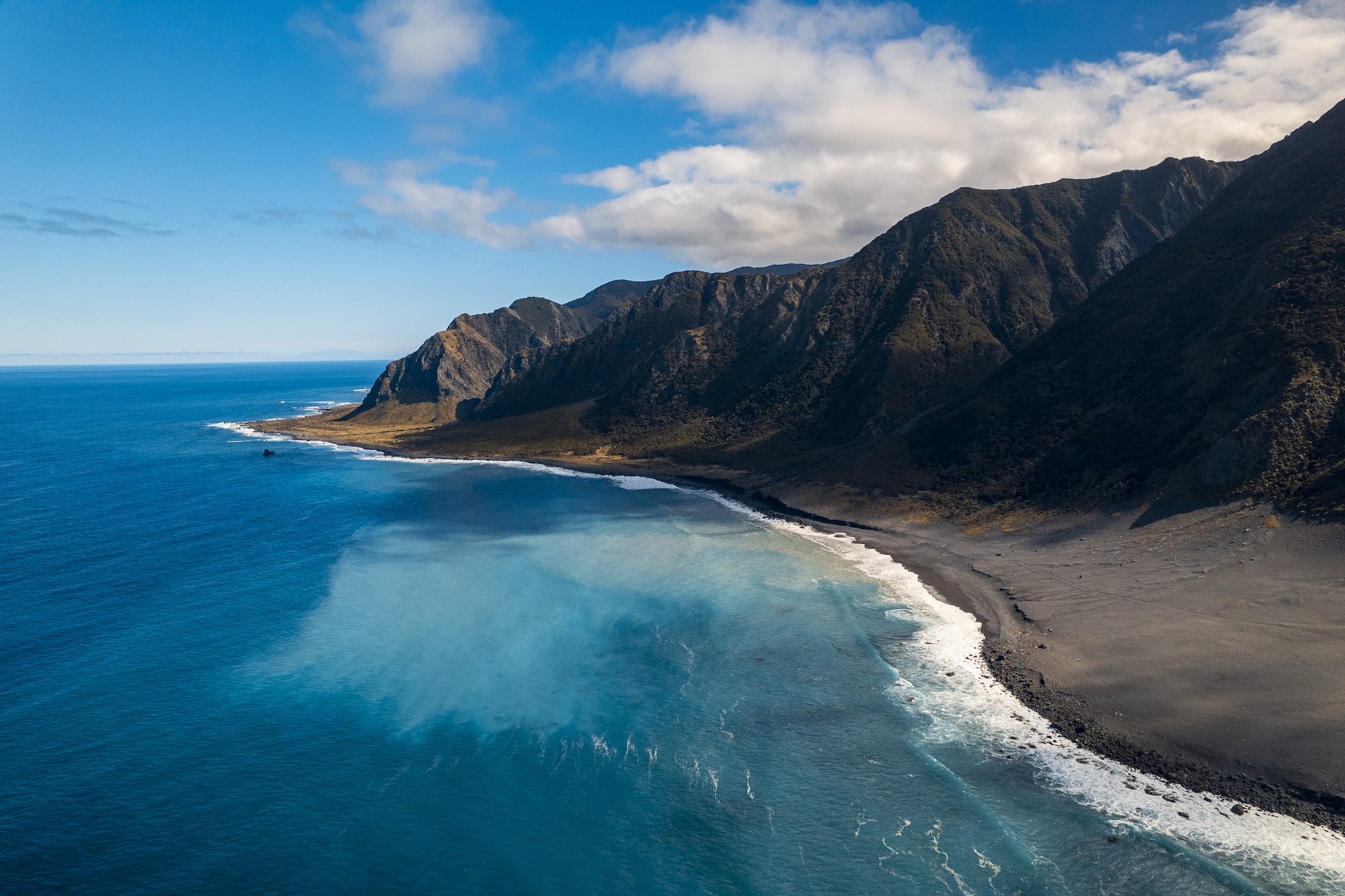
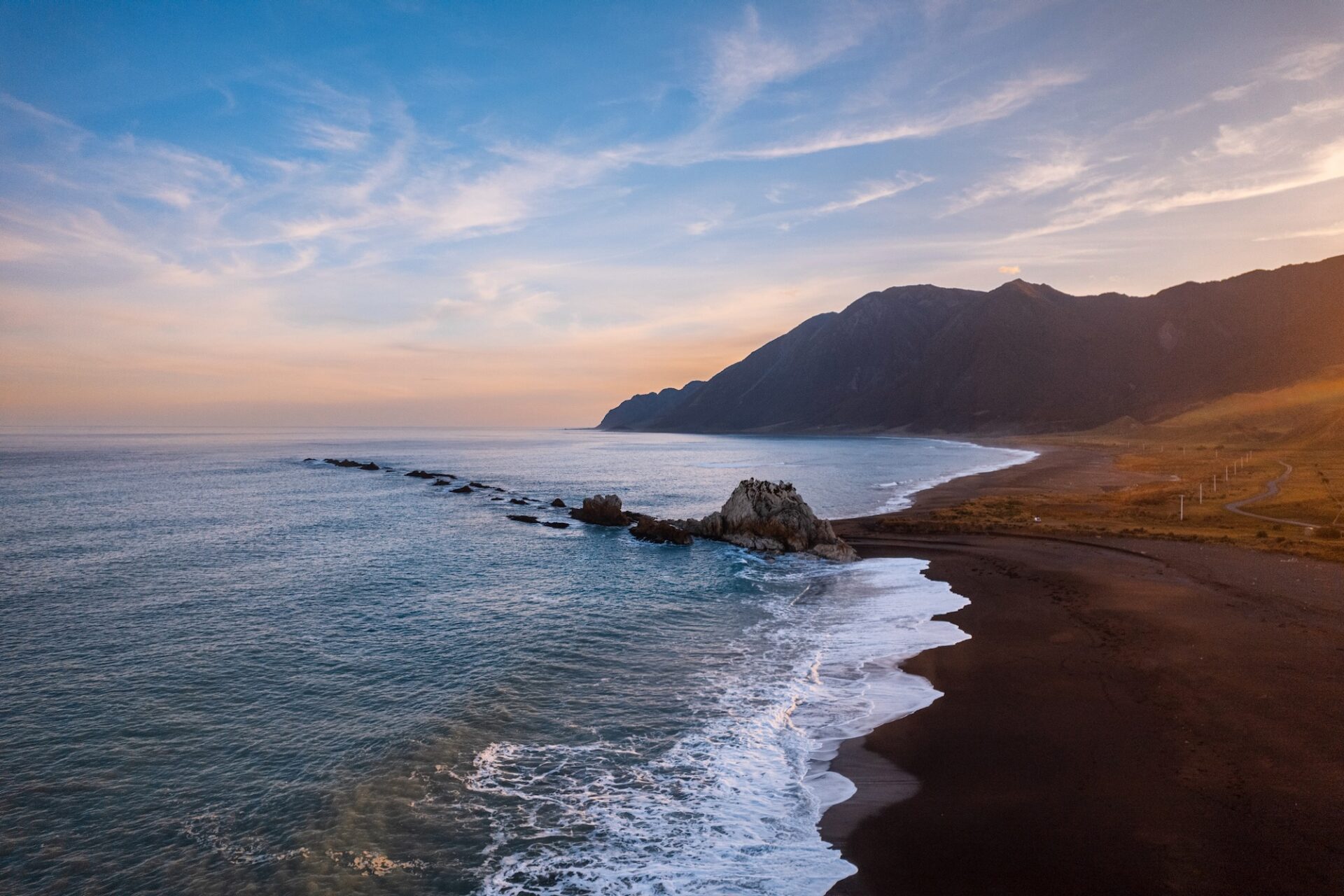
South Wairarapa District Council’s proposed bylaw – to ban all public access to the public road leading to one of the most remote and spectacular coastlines in New Zealand for a period of three years, may be a misstep. Here’s our guide to understanding what’s happening and how surfers can fight it.
There are some stretches of coastline around New Zealand that are of special significance for surfers. The Wairarapa is one of the best. The semi-secret reef and point breaks are among the best in the world.
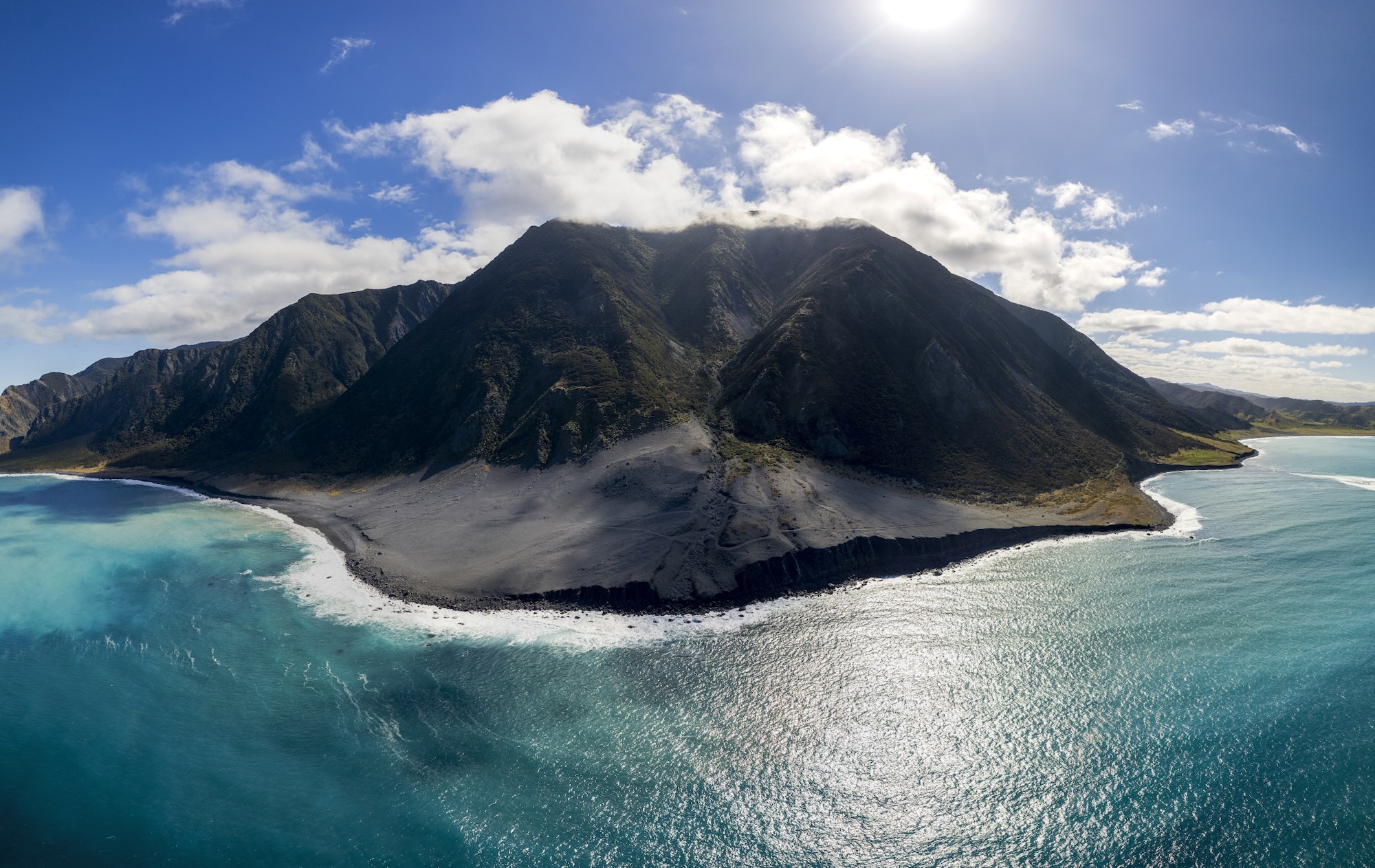
The Wairarapa coast lies directly exposed to southern swells … and the weather that often comes with them. No story about surfing the Spit or Seconds can be complete without a story of enduring the winds that can sometimes last for days as they whip around what is effectively the northernmost end of the Southern Alps.
My first adventure here was with a group of mates from Massey University. We drove on the whim of good waves: a stack of isobars on the back page of a local newspaper. That was all we needed. That was 1993. Back then the deerstalkers hut near Seconds was luxury at the end of a grueling trip in – one that often wrecked our cars and frayed our nerves.

We’d stay for days, or at least until the swell backed off and the winds turned savage, which they always did at some point. We felt like kings having the hut there – it made everything easier. One table had a chess board carved into it and we’d spend the nights recounting the day’s waves and bending the grey matter around the board and its pieces.
We could find enough pāua to survive, but we never caught many fish – probably because the swell was always cranking. Hunters would occasionally come by and often used the hut, also mostly grateful to have a place to seek refuge from the elements.
Everyone in our crew held a deep love and respect for White Rock. It was a special place to escape to when the university pressure came on. We were in some sort of harmony with it all and it taught us to survive and thrive in that environment.
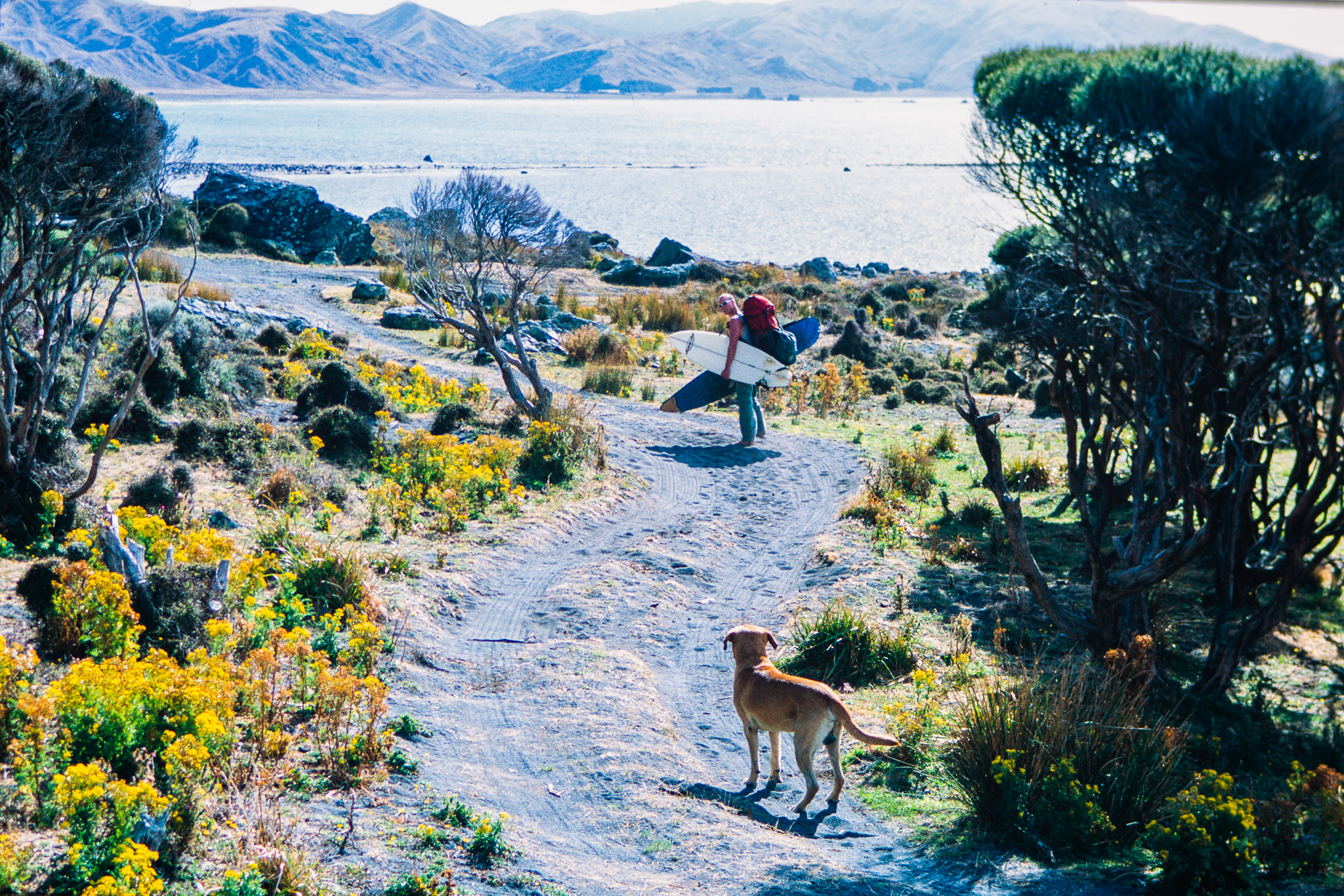
Not long after my first trip in there, Kiwi Surf Magazine wrote a story about Seconds, named it and pretty much showed people how to get there. We didn’t think much about it at the time. We had the impression that all surfers were tuned into nature, loved and respected the environment we played in and took seriously their role as kaitiaki. How naïve we were.
What we discovered on our very next trip in, was shocking. The hut had been desecrated … and it was clearly done by just a few surfers who didn’t think the same way we did about this place. Windows in the hut were broken and piles of cans and rubbish strewn about and around the hut. It was devastating. Once for the fact that some people thought that it was okay to do that and leave it like that, and secondly for the realisation that not all surfers were respectful of our coastline. That hit hard.


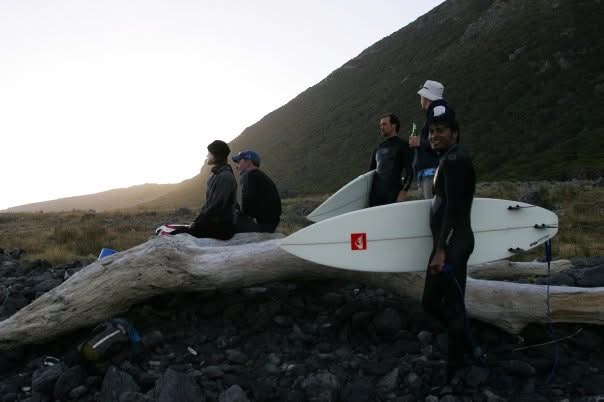

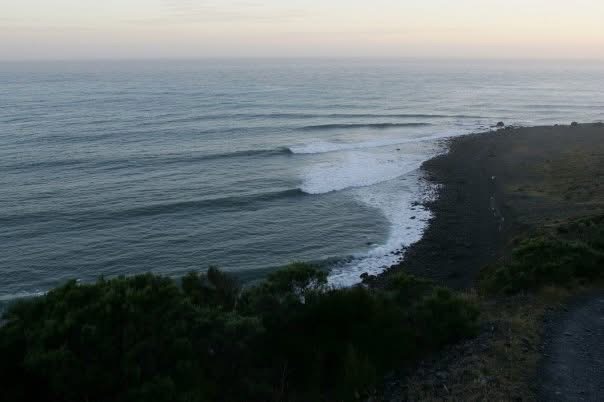
In the years that followed we’d take in bits and pieces to repair the damage. But the vandalism was always evident – the few taking liberties and ruining it for the rest of us – a familiar story. Eventually the farmer had to start vetting people coming in with a locked gate.
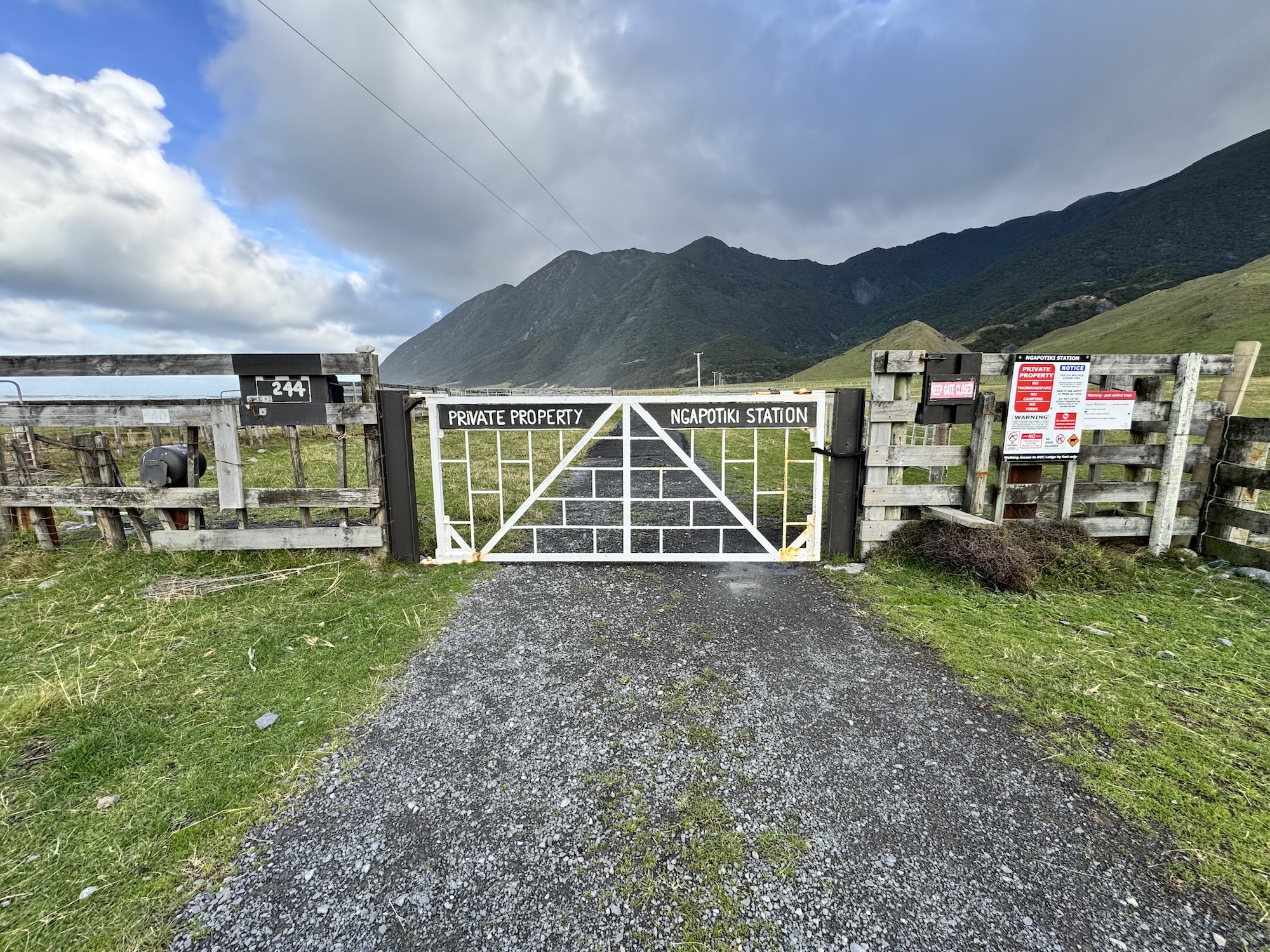
That was at least a workable situation – we all dreamed of taking our kids – the next generation into such a fascinating place. So, if a key to a locked gate was the ticket, we’d make sure to guard that access with everything we had. Not surprisingly my group of mates who I shared adventures there together – we are all still in contact daily.
Our collective heart sank the day we learned the deerstalkers’ hut would be pulled down. That was back in 2012. Nobody wanted to foot the bill for the upkeep and repair. It had sheltered surfers and hunters since the 1970s. It felt like losing a great mate.
And now we’re facing a proposal that could have ramifications far wider than just the Wairarapa Coast. If a precedent is set then other coastlines of important significance to surfers could follow suit.
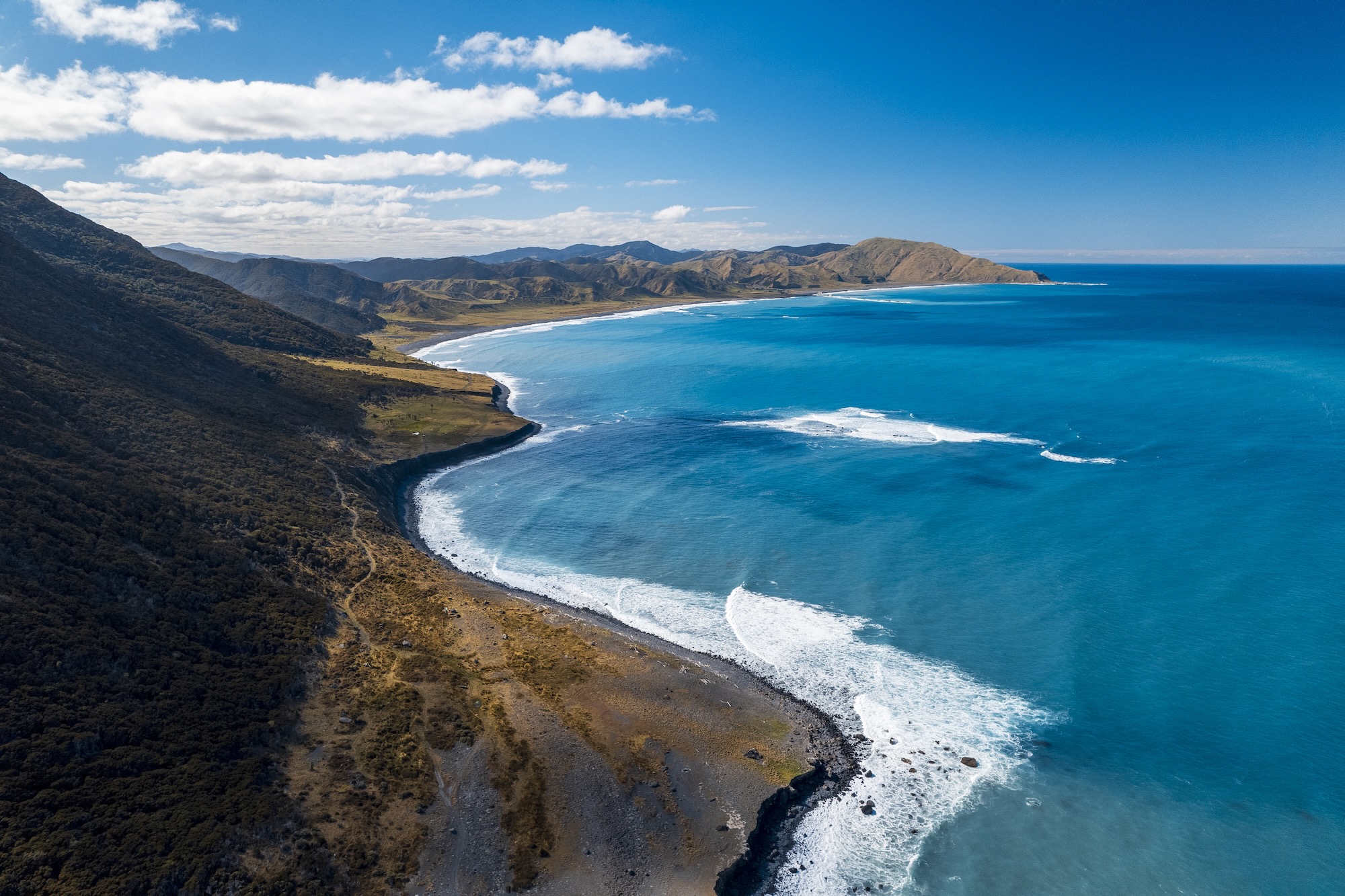
The South Wairarapa District Council is proposing a bylaw that would ban all public access – even on foot – to a public road leading into the southern end of the Wairarapa Coastline near Matakitakiakupe (Cape Palliser) for a period of three years.
To unravel the language and gravity of this proposal we chatted with long-time Wairarapa surfer turned town planner Nigel Bryce. He grew up in the Wairarapa – he’s linked intrinsically to the whenua and waves there. He was also one of the original crew back when I undertook my first trip there.
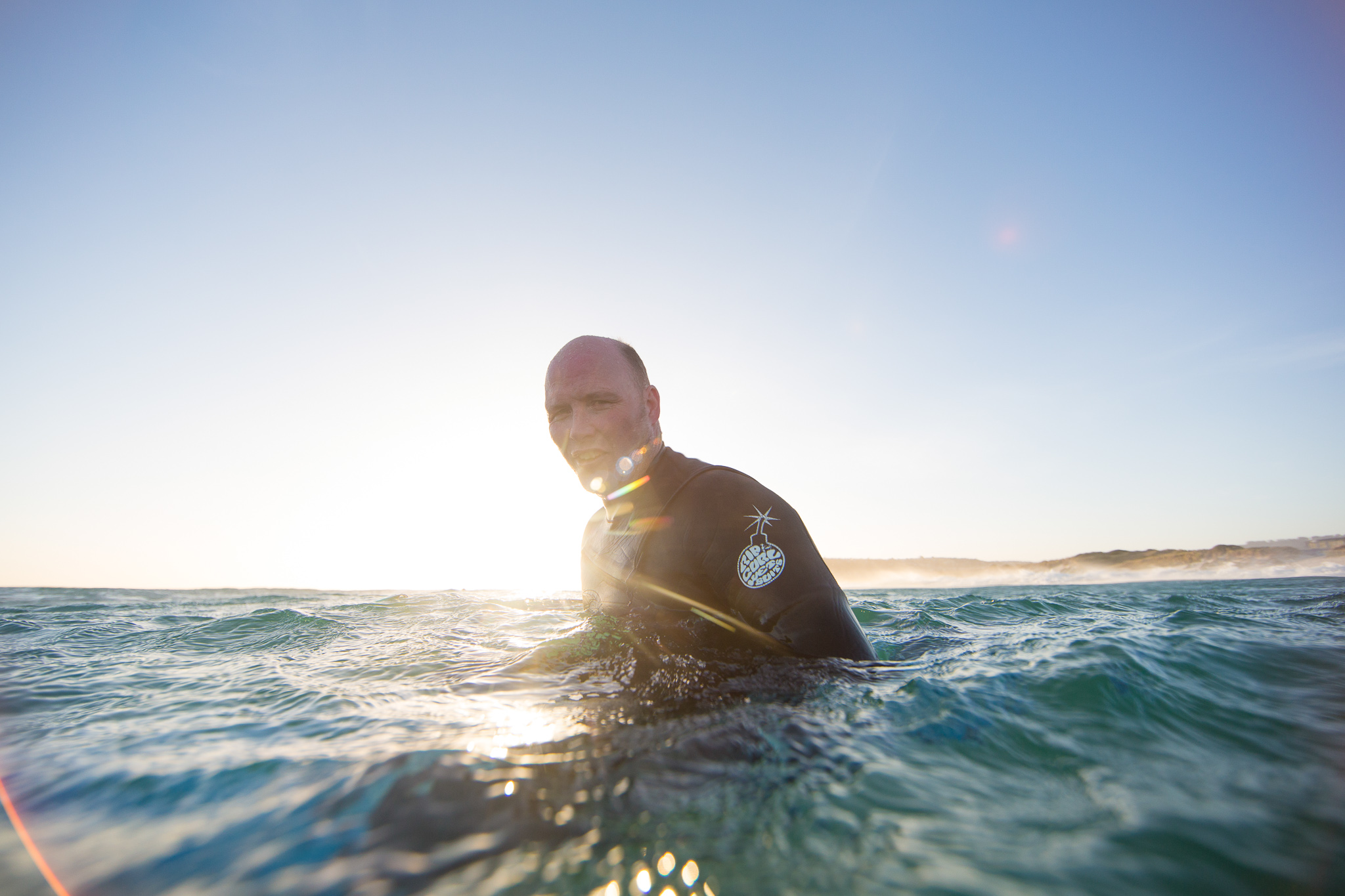
Nigel said the proposed bylaw; the “Paper Road Access Bylaw” was troubling. He referred to section 145 of the Local Government Act 2002 (LGA 2002) which sets out the general bylaw-making power for territorial authorities.
“In this case, the Council is seeking to stop public access over a small area of unformed paper road using this bylaw process, versus the closing of the paper road, which requires a significantly more robust process to be followed to justify its closure,” Nigel explains.
Under section 145 of the LGA 2002, a territorial authority may make bylaws for its district for one or more of the following purposes:
(a) protecting the public from nuisance:
(b) protecting, promoting, and maintaining public health and safety:
(c) minimising the potential for offensive behaviour in public places.
Nigel believed the ultimate goal of South Wairarapa District Council, landowners and stakeholder interests, including iwi, was to stop public access.
“By applying this to this relatively small section of paper road governed by the proposed Bylaw, it will preclude access over the wider connecting unformed paper road network, including those that extend across Māori Reserve land, Scenic Reserves and National Parks all located further to the north of the Cape Palliser Light House.”
Effectively the South Wairarapa District Council was using the bylaw process, in the manner proposed, as it greatly diminished the broader considerations that would normally be key determinants for the stopping of a paper road.
“Central among these is the current level of public use and the right of the public to use the land and public access to reserves, waterways and conservation estate,” Nigel continues. “In my opinion, limited regard has been given to maintenance of public access along this stretch of coast and its significance to the community including to surfers and other recreational users.”
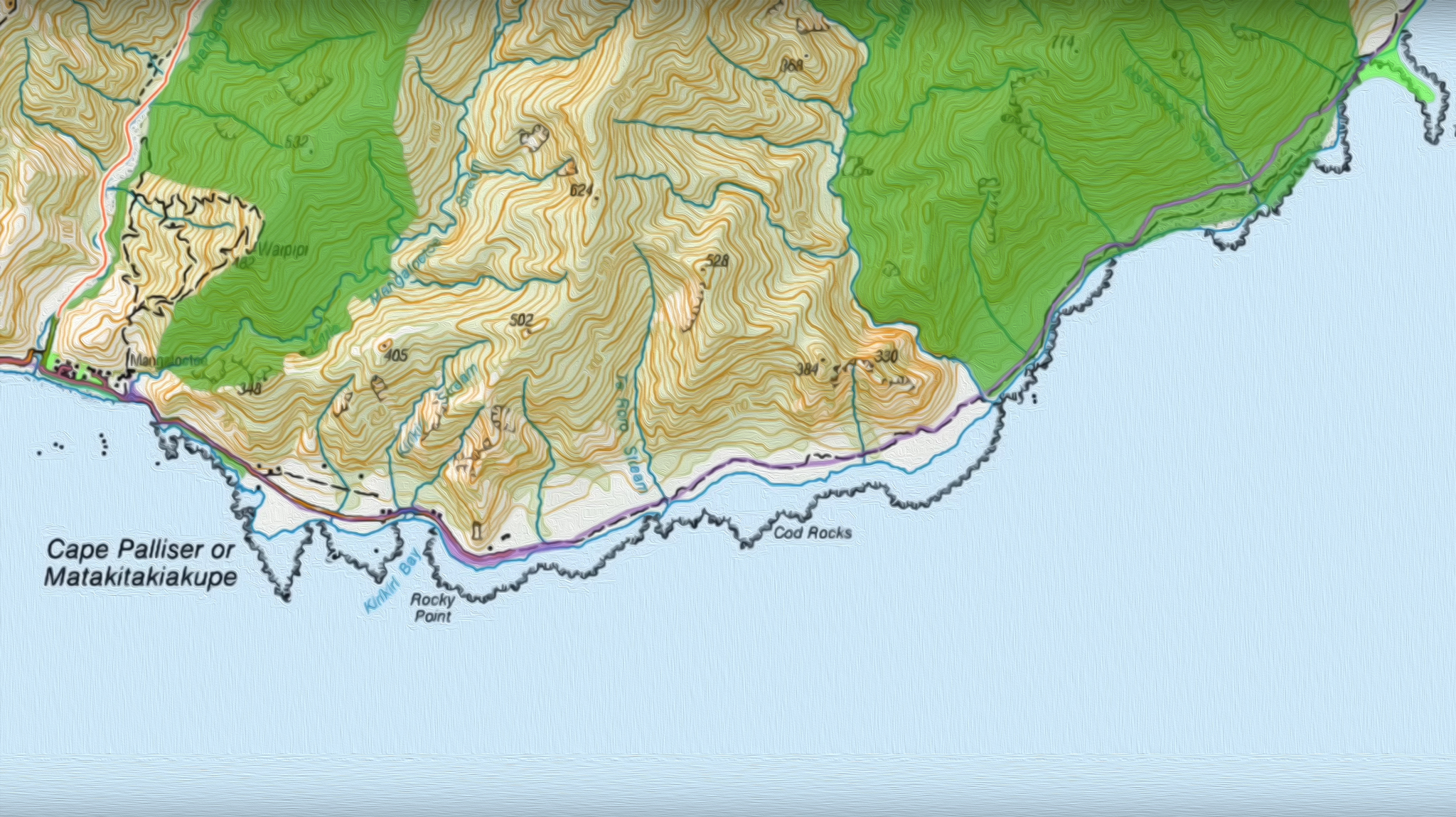
Many generations have enjoyed surfing, fishing, diving and exploring this coastline, but that seems to have been missed in any consideration by South Wairarapa District Council.
Nigel said there was no evidential basis given by South Wairarapa District Council as to the level of use of this area by the public and therefore the corresponding impact that removing this will have on the community.
“By way of comparison, in the event that the Council was to formally stop this unformed paper road,” Nigel explains, “then Council would be required to have regard to the level of public use of this area.”
Nigel said the consultation document stated that the foreshore is accessible from the carpark, where public can walk to the surf, but he questions this approach.
“Promoting alternative access along the foreshore, would in fact directly generate health and safety concerns as following the coastline in many cases would require public to follow steep eroding cliffs, and dangerous and unpredictable seas,” Nigel adds.
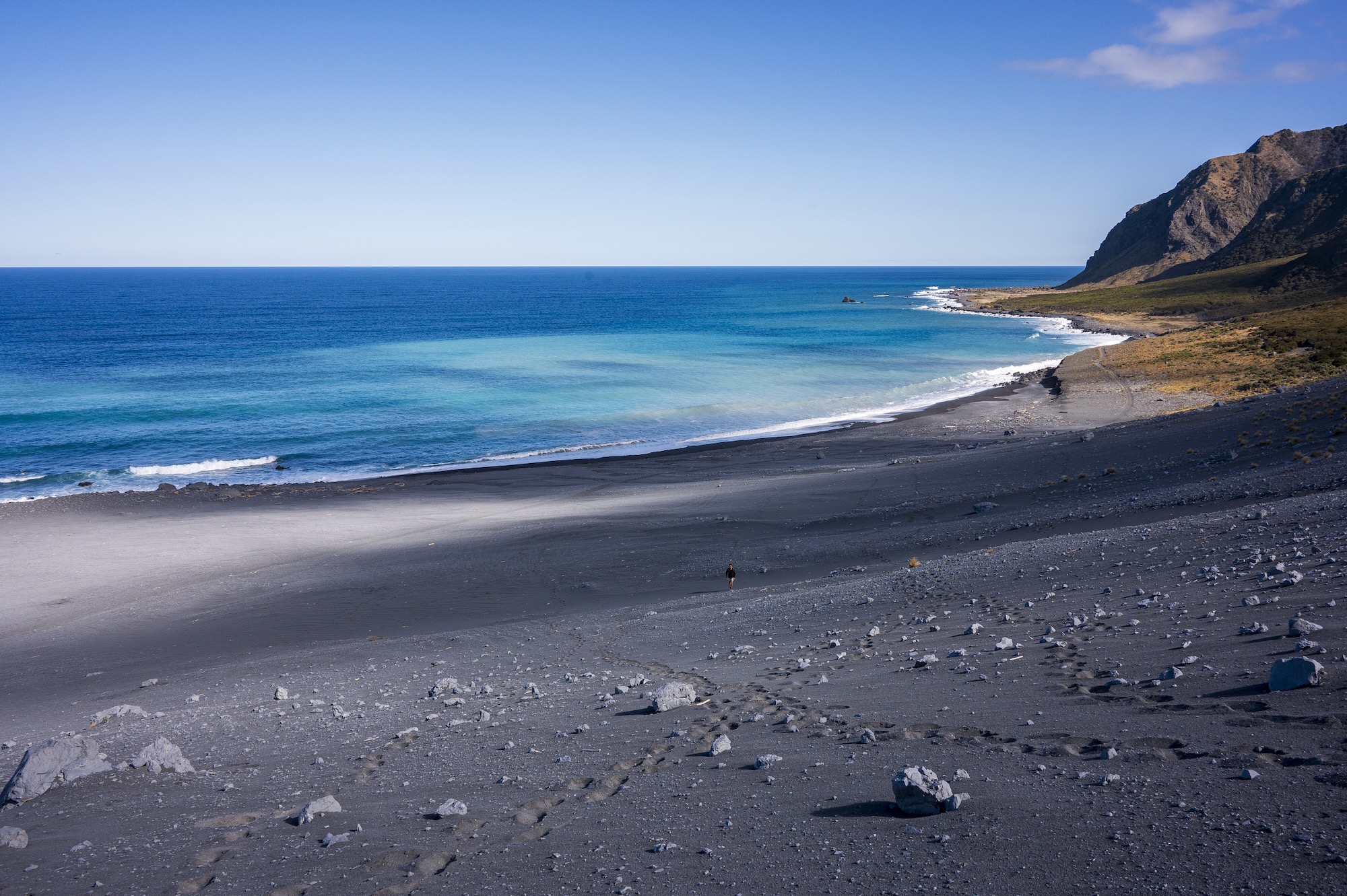
The Resource Management Act specifically states that a council is required to recognise and provide for the matters of national importance, including the maintenance and enhancement of public access to and along the coastal marine area, lakes, and rivers.
“The proposed Bylaw would result in a diametrically opposed outcome,” Nigel considers. “And if imposed for a greater than three-year period, as proposed, would significantly impact upon future generations experiencing a similar level of access and enjoyment to this coastline.”
Denying the ability for future generations to experience and enjoy this coastline would have far ranging affect, and not only the surf community, but all coastal users.
Part of the bylaw seeks to protect areas of significance to Māori and we agree this is important but question the approach. Surely management of vehicle access and routes can be achieved to direct coast users away from these culturally significant sites?
“Ensuring that vehicle access is confined to specific areas along the coastline should seek to lessen the impacts on wider areas that are of cultural significance to landowners and iwi,” Nigel offers. “This could be achieved through a combination of fencing and placing physical barriers to vehicle access for those more sensitive areas.”
Another driver for the proposed Bylaw is that illegal camping poses a fire risk. The consultation document highlights that campfires from illegal camping have led to major fires, including one in 1990 that destroyed large areas of native bush.
However the existing South Wairarapa District Council Freedom Camping Bylaw 2024 already addresses this issue.
Nigel said restricting access over the paper road to further manage illegal camping and lighting of fires was a resourcing issue for the council and other agencies to manage through existing bylaws that are already in place.
“It comes down to resourcing to enforce these bylaws,” Nigel explains.
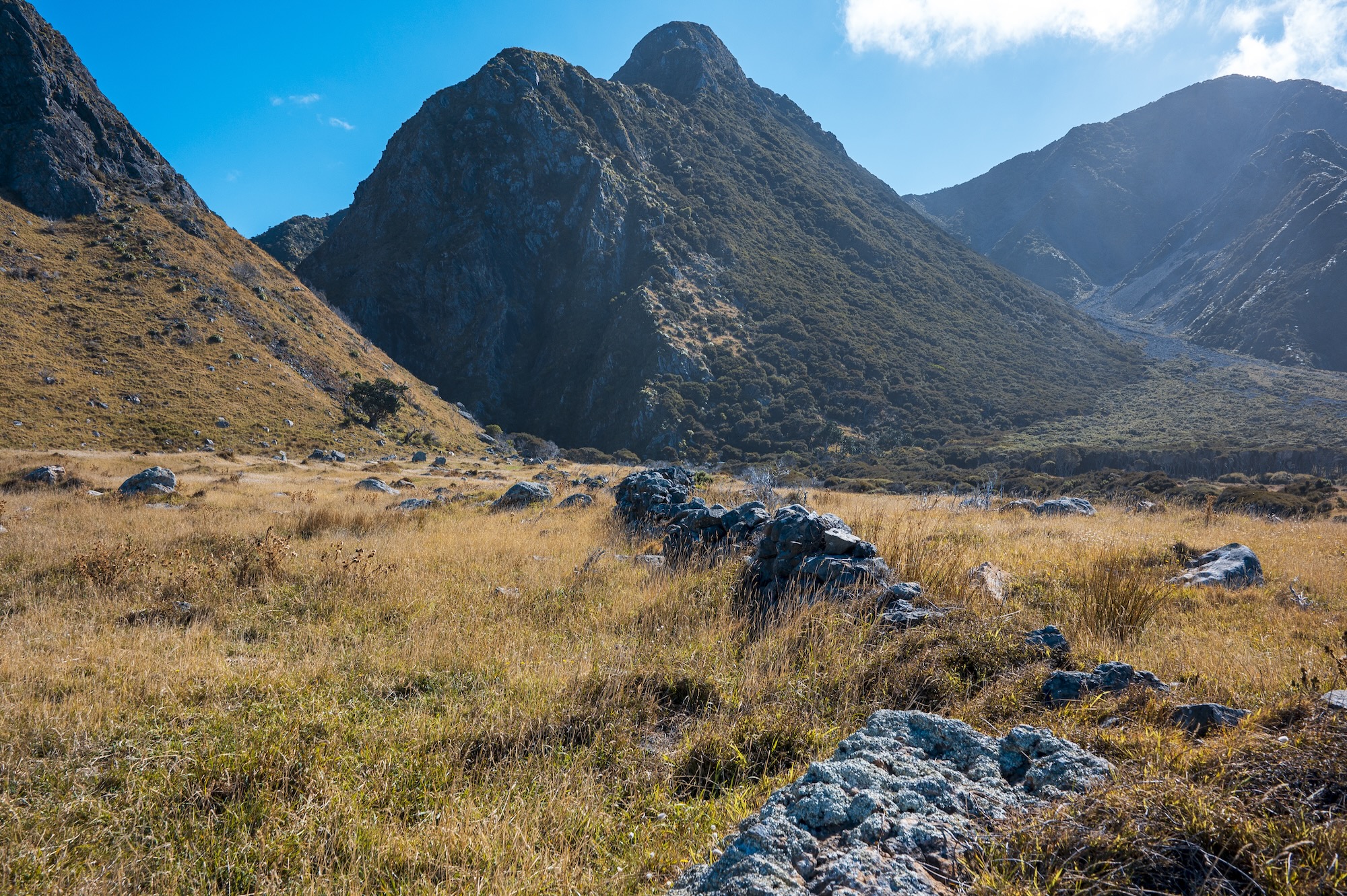
Ultimately, if the proposed bylaw was to go ahead it would rob the next generation of their chance to discover themselves in pursuit of waves, fishing and coastal experiences in an environment that is part moonscape, part raw South Pacific Ocean and a full dose of wildness.
Please take action and submit your feedback before August 19, 2025. You are welcome to copy and paste any relevant parts of this article in your submission. Please also offer to speak to your submission (this can be done in person or over Zoom).