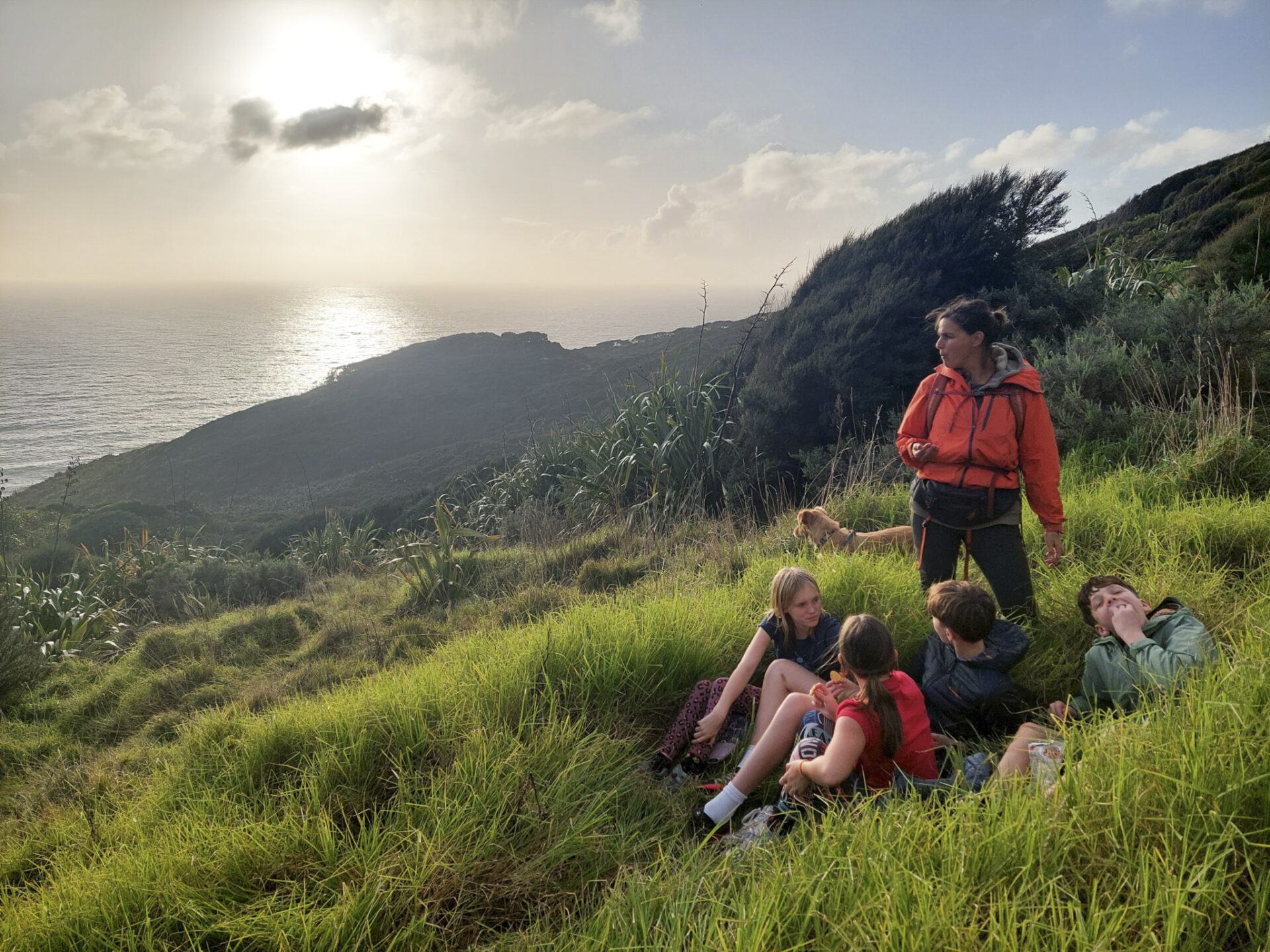
Next time you’re out for session at Raglan and you hear birdsong in the bush-clad hills above the break, remember the 100+ volunteers, including many surfers, who brought it back from the brink.
Whenever Kristel van Houte is out at one of her go-to Raglan spots with her 6’10” mid-length she sees someone she works with.
“Many of my work meetings happen out on the ocean,” she says. “Whenever I go surfing I often end up catching up with one of our volunteers.”
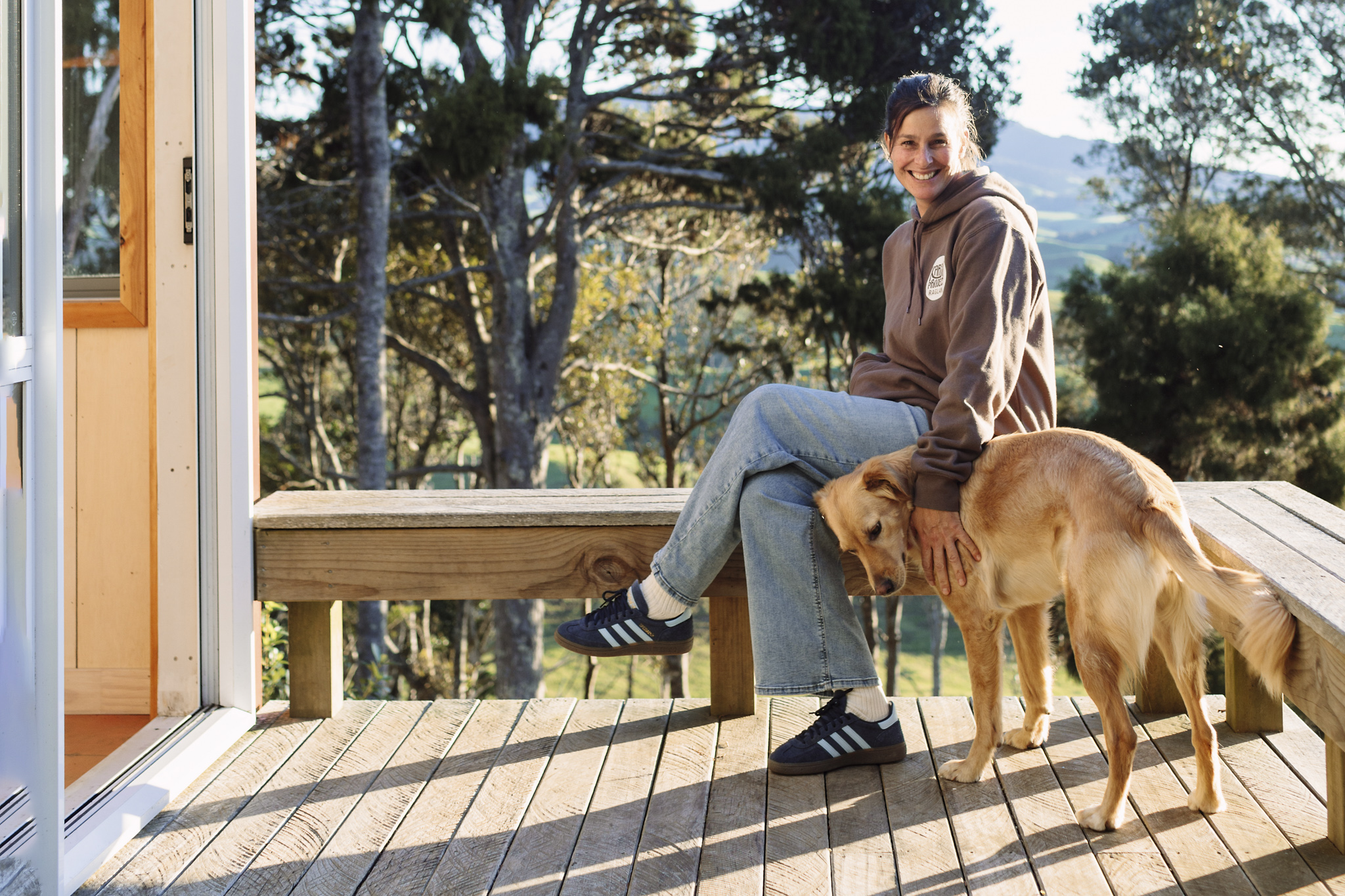
Raglan is a small community and a chunk of the town is in some way involved with the Karioi Project that Kristel and the late Māori kaitiaki and activist Malibu Hamilton co-founded back in 2009. Malibu’s vision was to have four rangers caring for the maunga. Little did they know what they’d achieve.
Now, when she’s out at one of the local spots, she looks up at Mt Karioi (756 m), an ancient volcano sacred to mana whenua, and rejoices at how far the project has come.
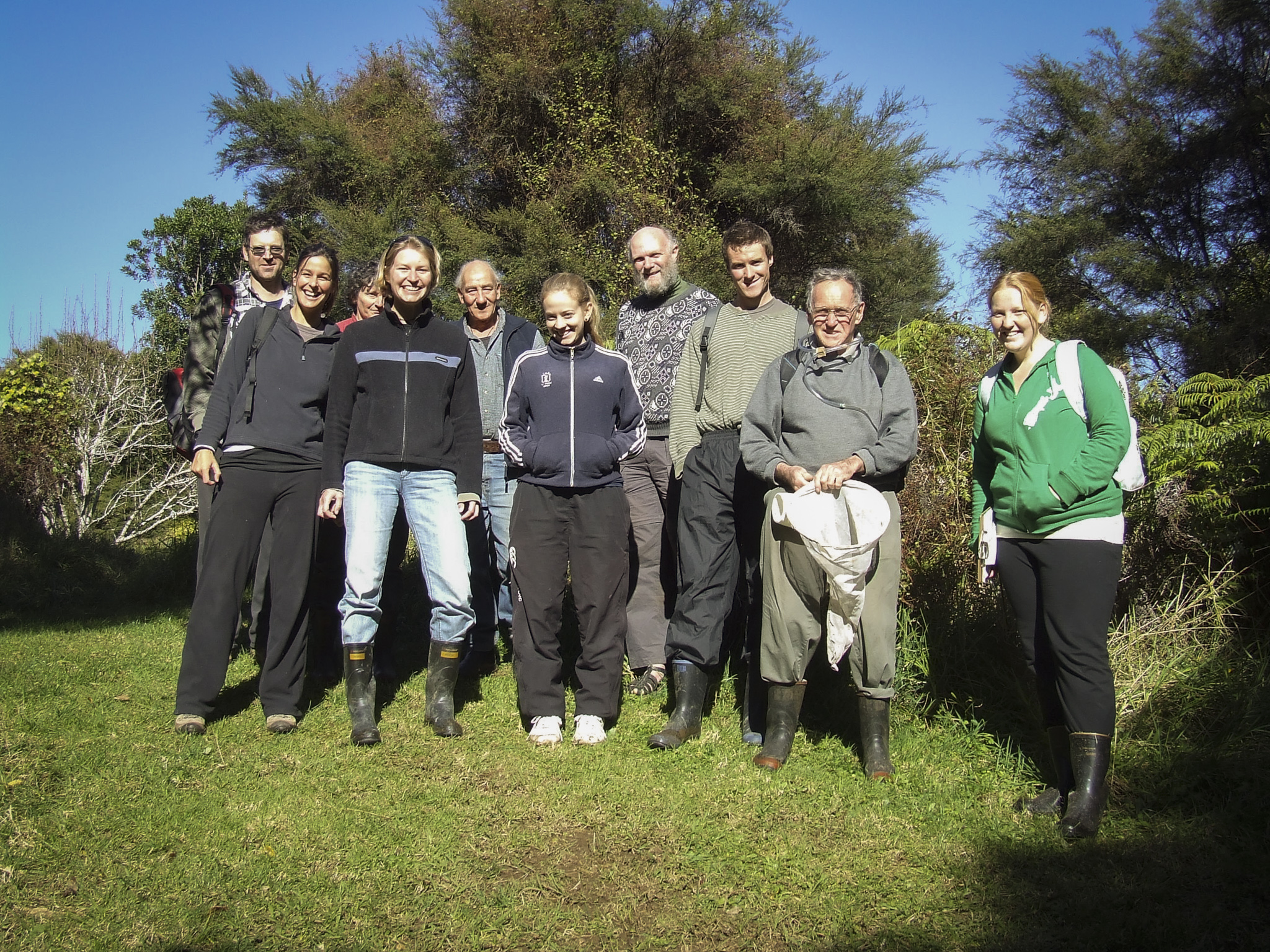
In 2009, after the Department of Conservation accepted a proposal Kristel had written, the project kicked off with 10 hectares, 60 traps, a dozen volunteers, and grand total of $5000 for the traps. The task: begin controlling the hungry mobs of introduced predators laying to waste the endemic and native species and their habitats.
Now the project is actively working on 6000 hectares, has more than 4000 traps, nine paid staff, 100 regular volunteers and 500 local families doing trapping in their own backyards. From the mountain to the coast, across to wetlands, farmland and remnant bush blocks – the project continues to scale. The aim? To restore 23,000 hectares of land – “the mountains to the sea, so our natural taonga can breathe again”.
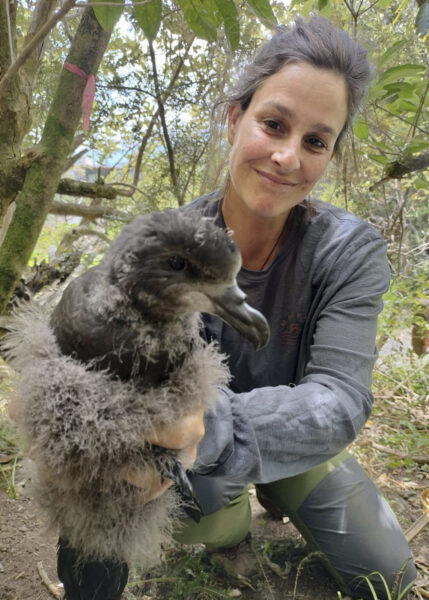
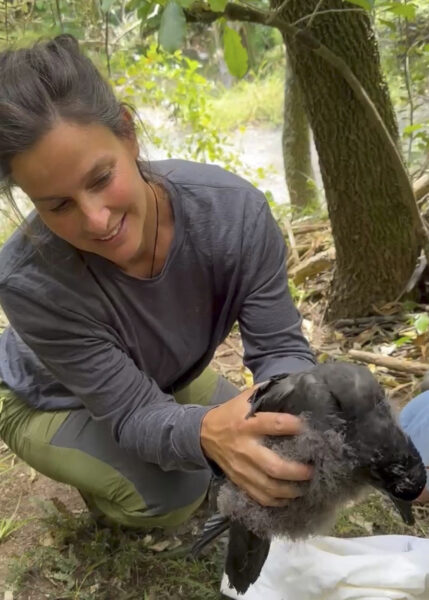
“When you’re out in the water, you can see the mountain – a particular aspect depending on the spot, and I think the thing that struck me and others before we began was that biodiversity was invisible, and declining,” Kristel says. “You could see the trees were impacted by possums. There was no birdsong. We found grey faced petrel/ōi burrows with broken eggs and dead chicks.”
“Now when I look I know we’ve gone from just a few seabird burrows to over 50,” Kristel smiles. “I can see footprints of the little penguin/kororā on the beach. We can hear bird song throughout the day. Through our monitoring, we have detected the Australasian bittern/matuku-hūrepo coming back into the wetlands. We now have sites with endangered longtailed bat/pekapeka tou-roa. There is this lushness and abundance that wasn’t there before. People comment on it all the time – there are so many birds around. Every time we have scaled, the community stepped up and got behind it.”
Kristel caught her first wave at Piha when she was 16. She surfed off and on over the years as she completed a Bachelor of Science, then a Masters in Marine and Freshwater Ecology at Waikato University in 2002.
She lived in Samoa throughout 2003-2005 and then travelled to Kenya. She worked as a volunteer in Kenya with an ornithologist for A Rocha, a global conservation umbrella organisation. The experience inspired her and led her to dream about starting her own conservation project.
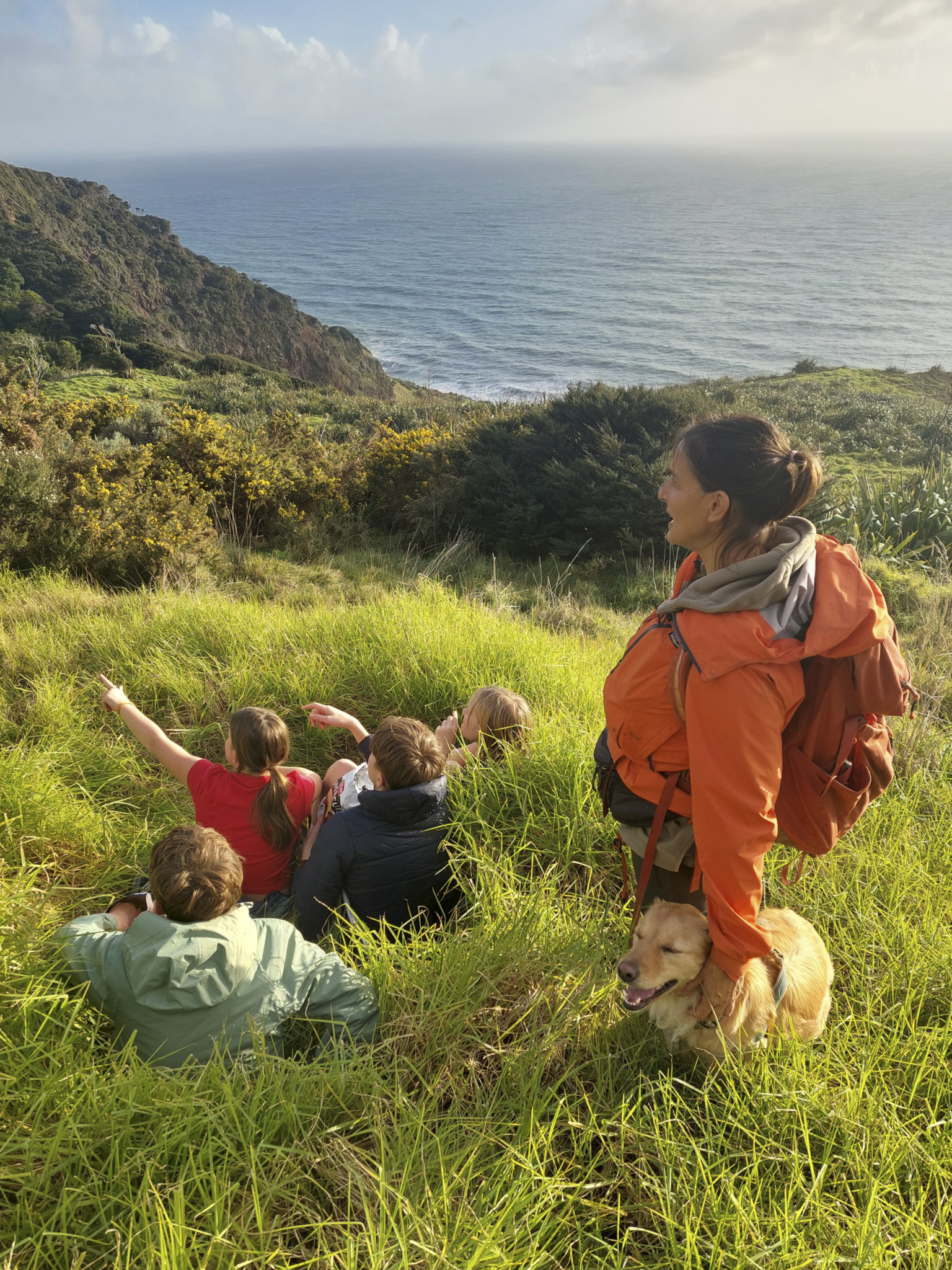
On return to Aotearoa in 2005 she moved back to Raglan and commuted to and from Hamilton where she worked for NIWA in marine ecology and biosecurity. Driving to and from, she looked out her window at Mt Karioi every day and eventually it clicked – she’d found her project.
Kristel has been living, surfing, and serving the community and natural world in Raglan for 20 years. For her, giving back through her conservation work is a natural consequence of her surfing, and seeing the interconnectedness of life from the mountains to the sea. A few of her team are fellow surfers and many of the volunteers and supporters, including local business owners, are too.
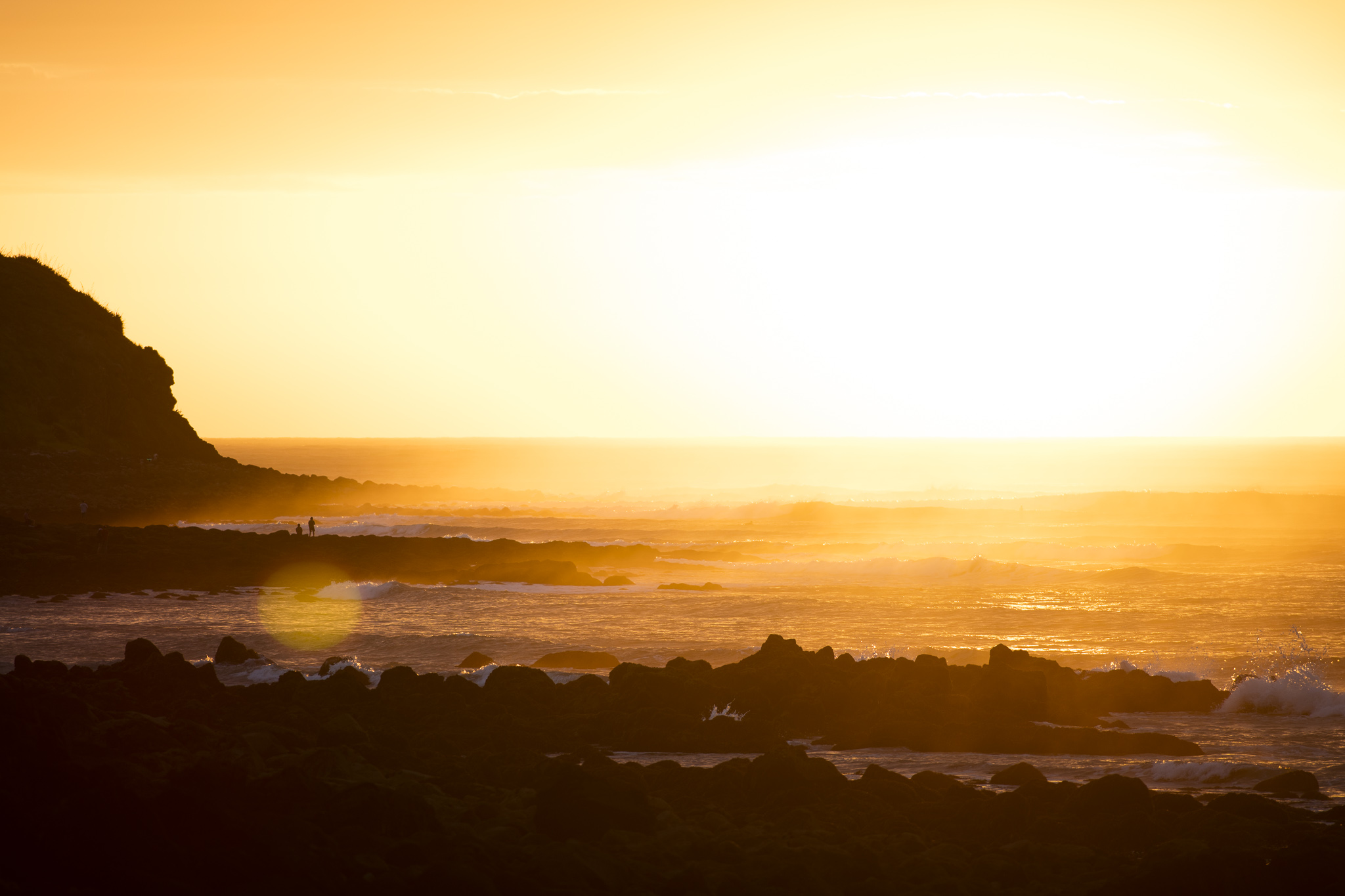
“Raglan is known for that,” she says. “It attracts people who make things happen. That’s what has made the project such a success.”
She hopes more surfers travelling to Raglan will slow down and notice what’s going on and think about how they can contribute to restoring this motu’s unique native species and ecosystems.
“Surfing can be a selfish sport,” Kristel admits. “You come and surf, you drive past everything and you don’t notice. I would encourage people to notice and observe. Grow that love for nature. We are sharing this place with little penguins, seabirds, kererū, lizards, bats. It’s their space, too, and we need each other.”
And if you see Kristel out in the ocean, ask her how to get involved. She’s used to it.
Visit the Karioi Project here.