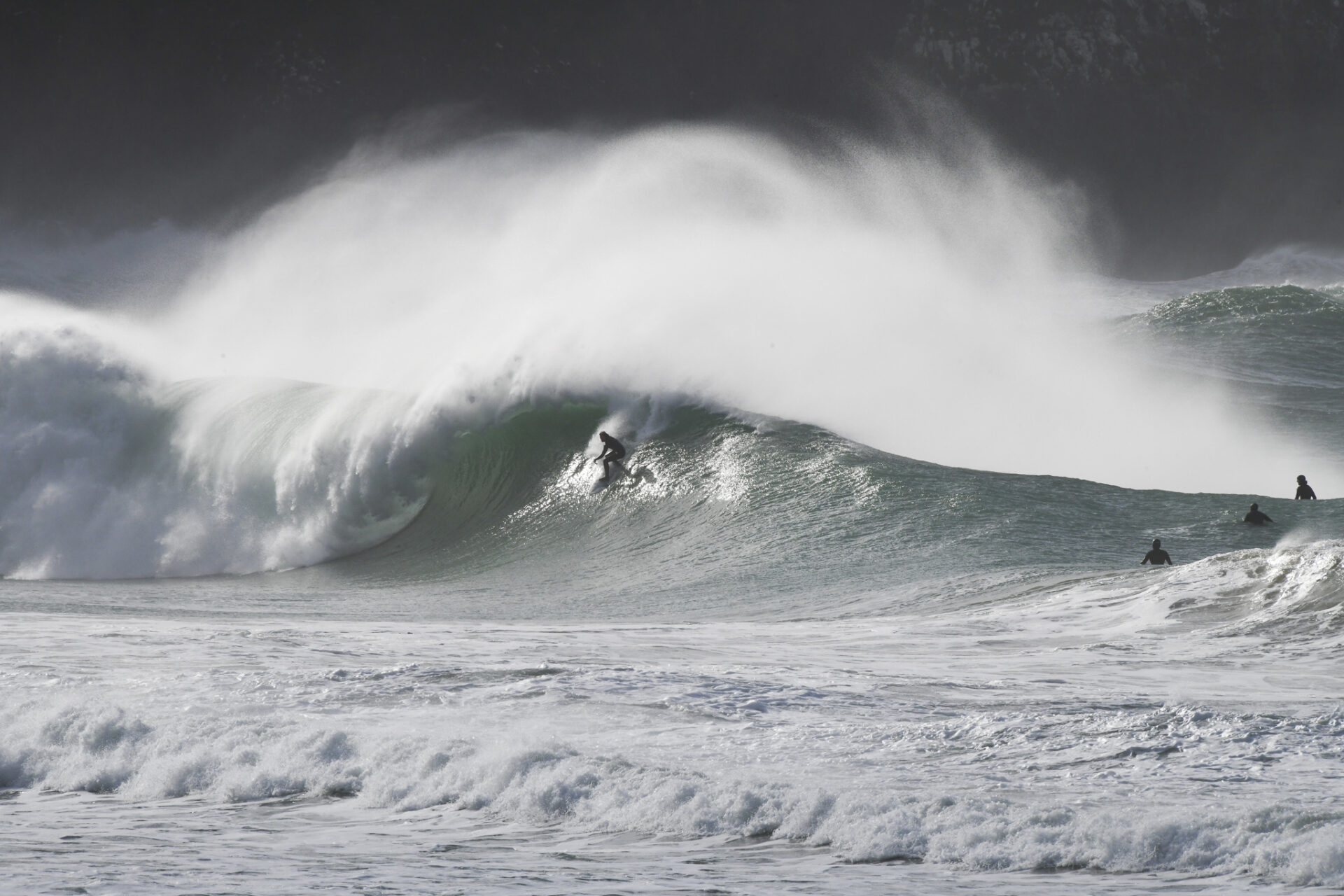
DOC ranger and surfer Moss Thompson works in the same waters he loves –protecting endangered sea lions where they live, breed and play. Moss shares his story from the deep south.
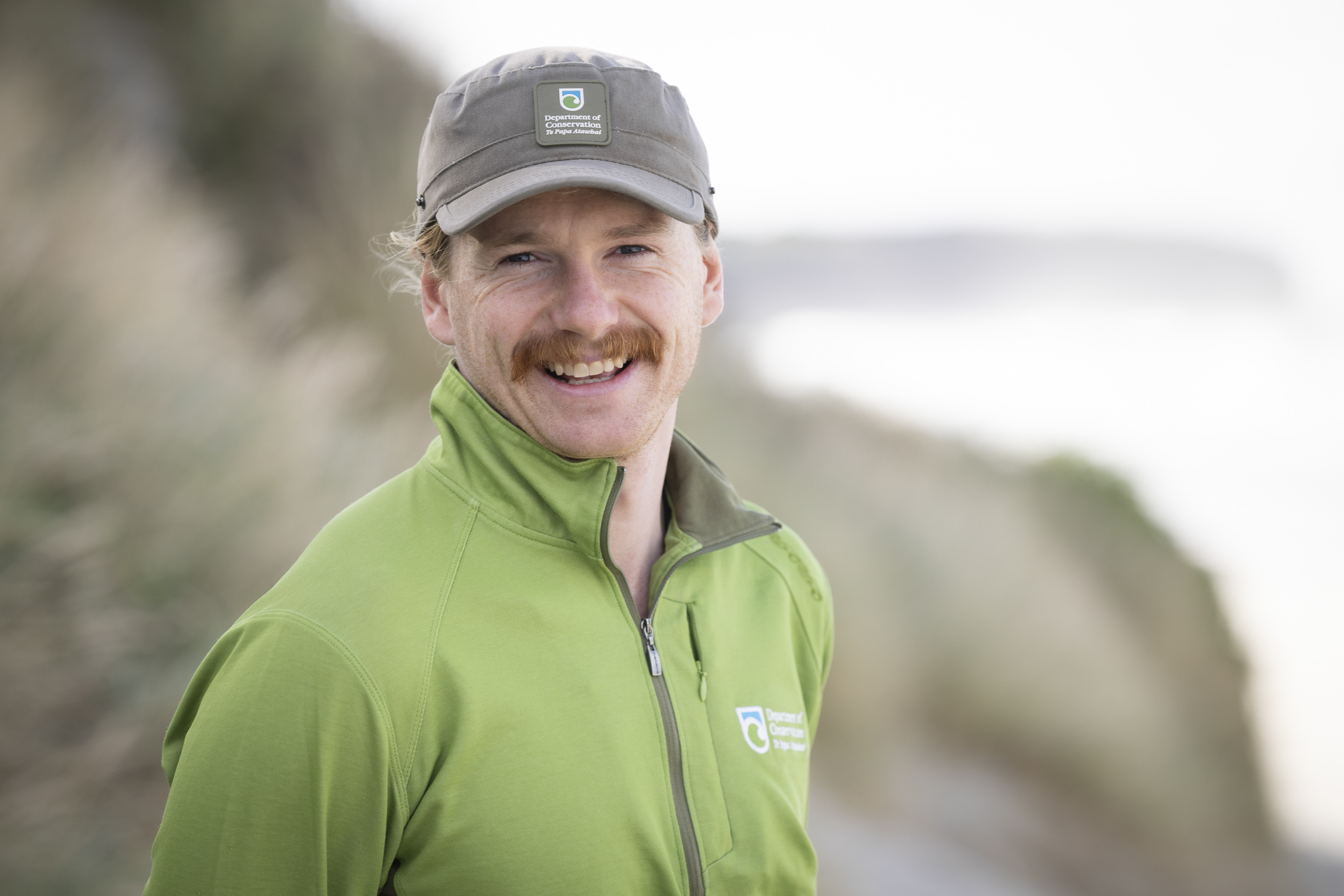
My family has always been the outdoorsy types and from an early age we were in the hills tramping. My dad has worked in conservation his whole life, and his passion for protecting New Zealand’s wilderness was deeply instilled in my siblings and me.
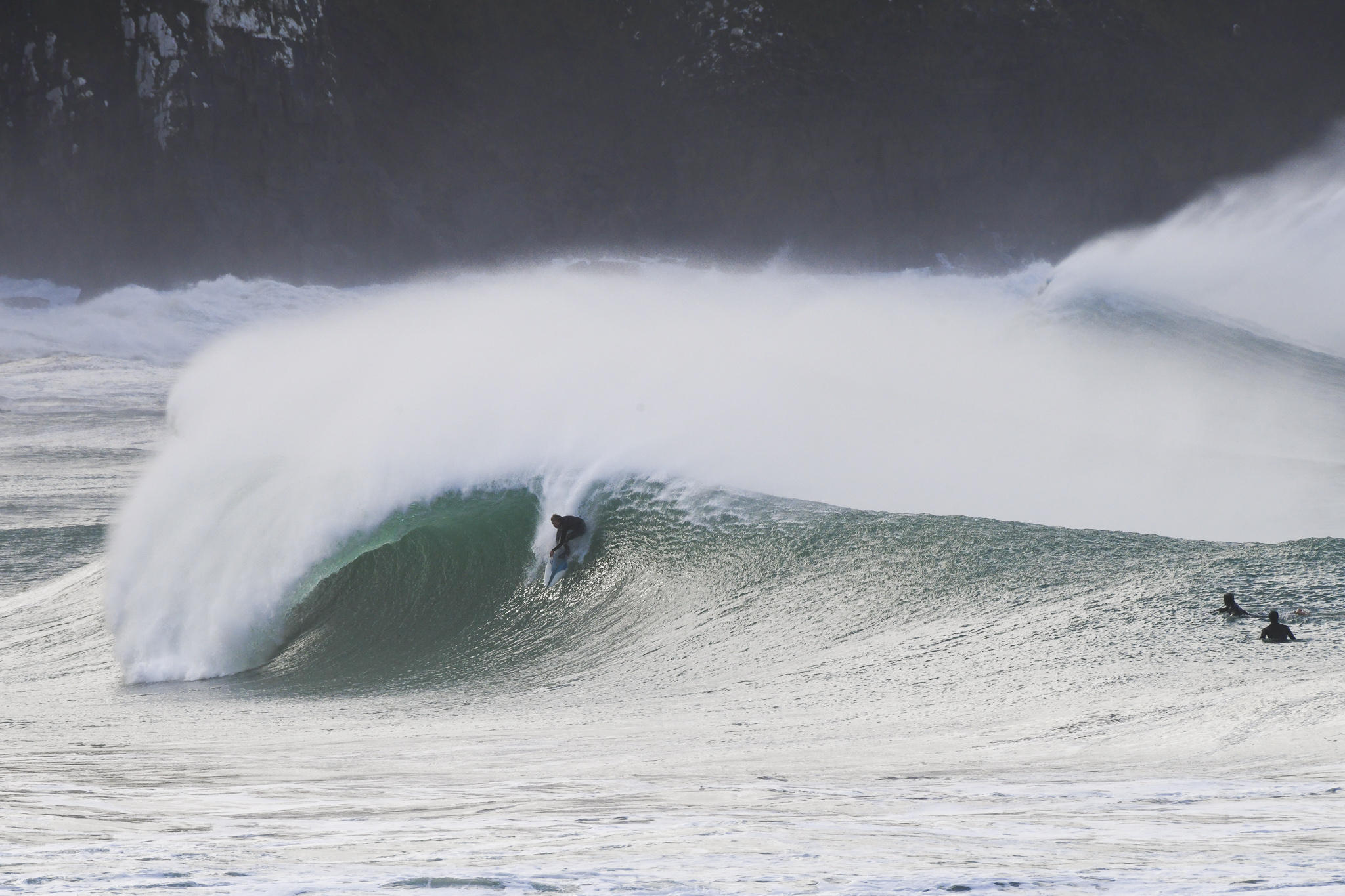
At 11, I started surfing, which quickly became my main pursuit, far outweighing other interests. As a grom, I was lucky to live about 300m from Brighton Beach in Christchurch. Not an ideal place in terms of quality surf but grovelling is still a good time as a grom.
After school, I wanted to go to university, and Dunedin was the obvious choice given the surf. At Otago University, I completed a BSc in zoology, followed by an MSc in marine science studying sea lions. After a stint in Margaret River chasing waves, the call of home and an awesome job brought me back to Aotearoa. I am now a ranger at Te Papa Atawhai (DOC) in Dunedin and lead our pakake (sea lion) management program.
Surfing has been a major factor in most aspects of my life, and I think my career is an example of that.
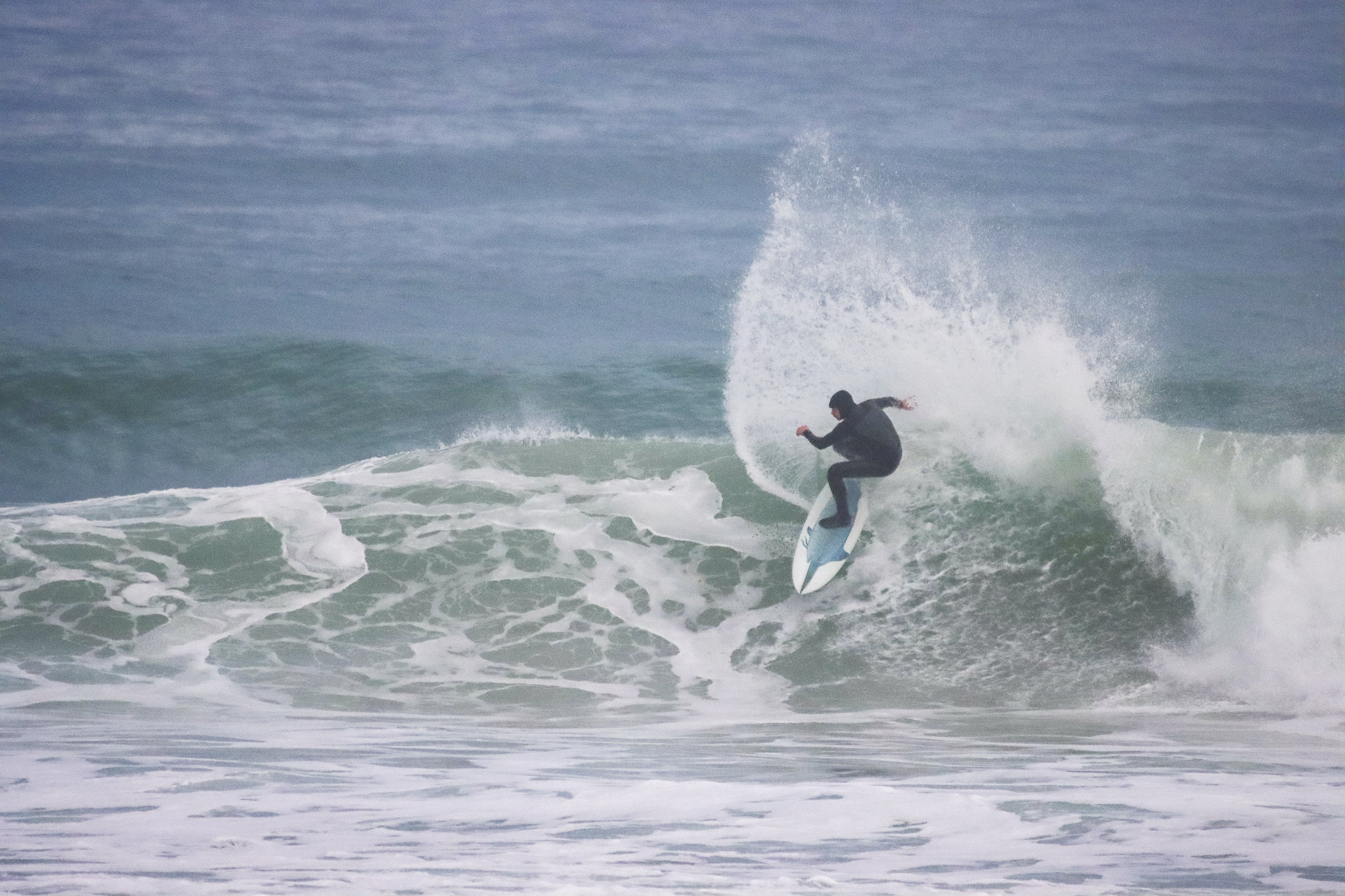
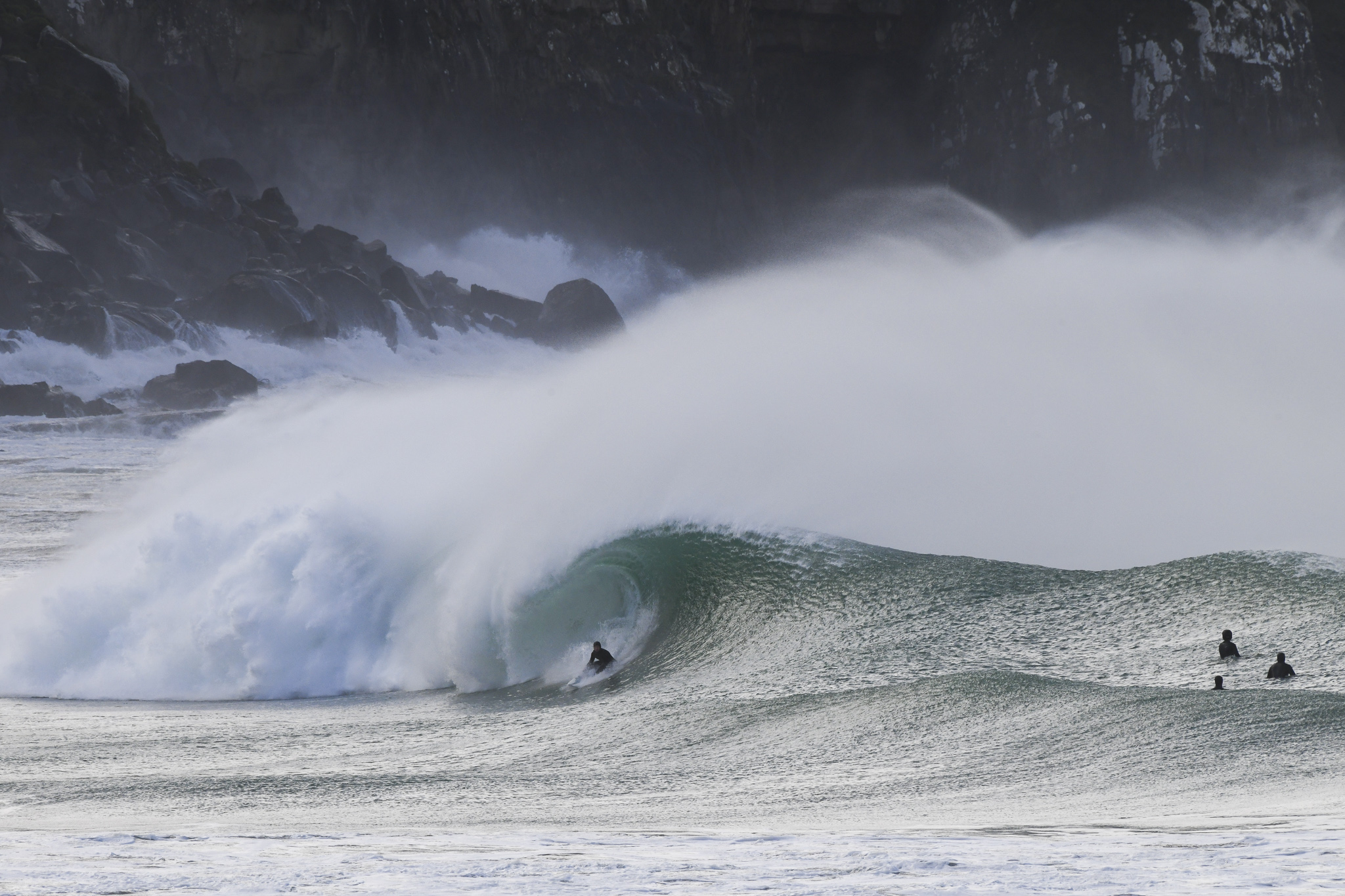
Getting to explore our coastlines as a grom, and then as an adult, has taken me to some epic spots. My connection to the natural environment developed while surfing, adventuring to new spots, and even trying to figure out where is going to be best on any given forecast.
With an upbringing hiking around Aotearoa, and my connection with the ocean, I realised I wanted to study and work in the marine conservation/biology field from a young age. I didn’t really think about what that would look like until postgrad, when I started working with pakake and helping other students with their respective projects and species.
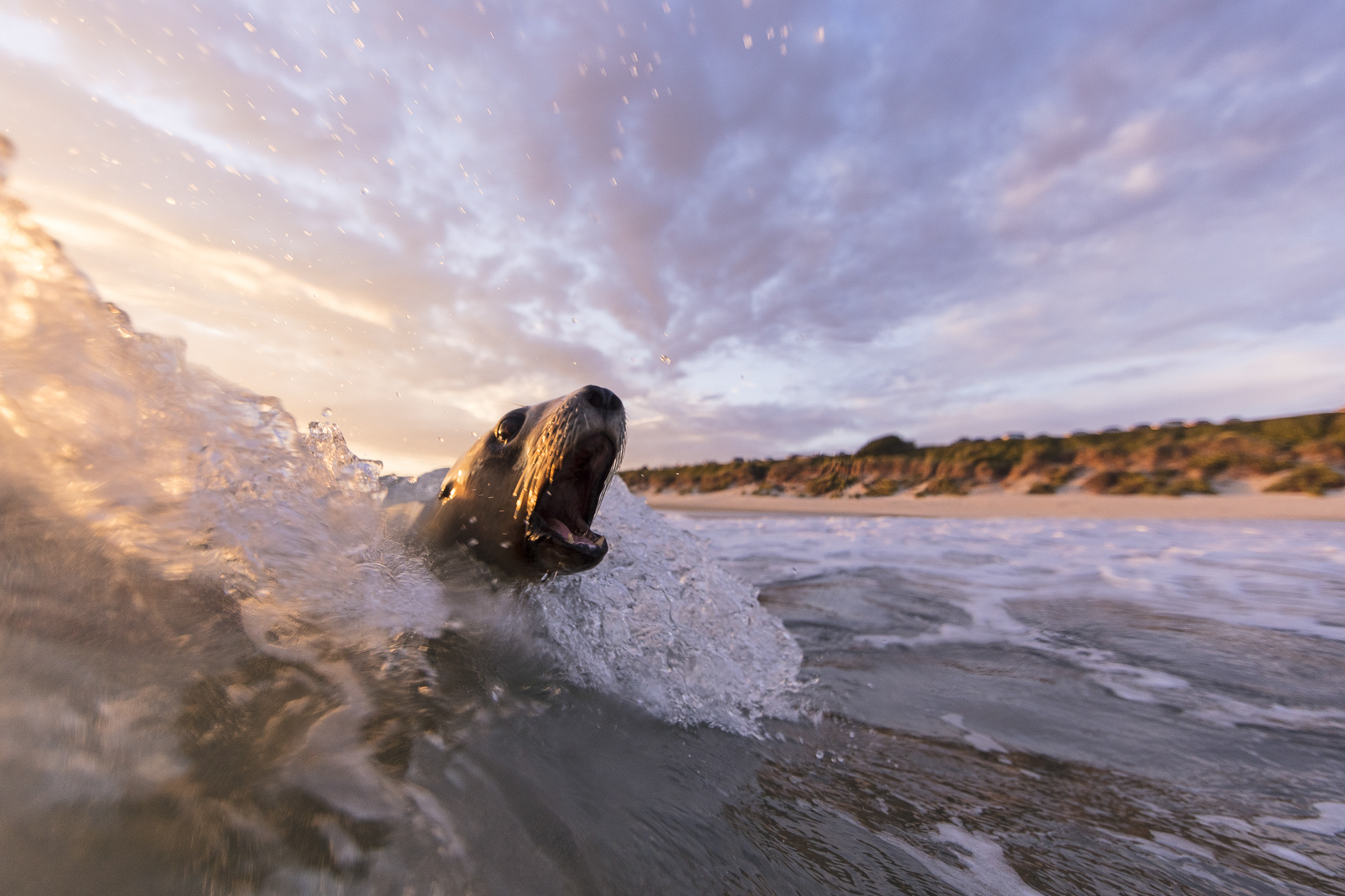
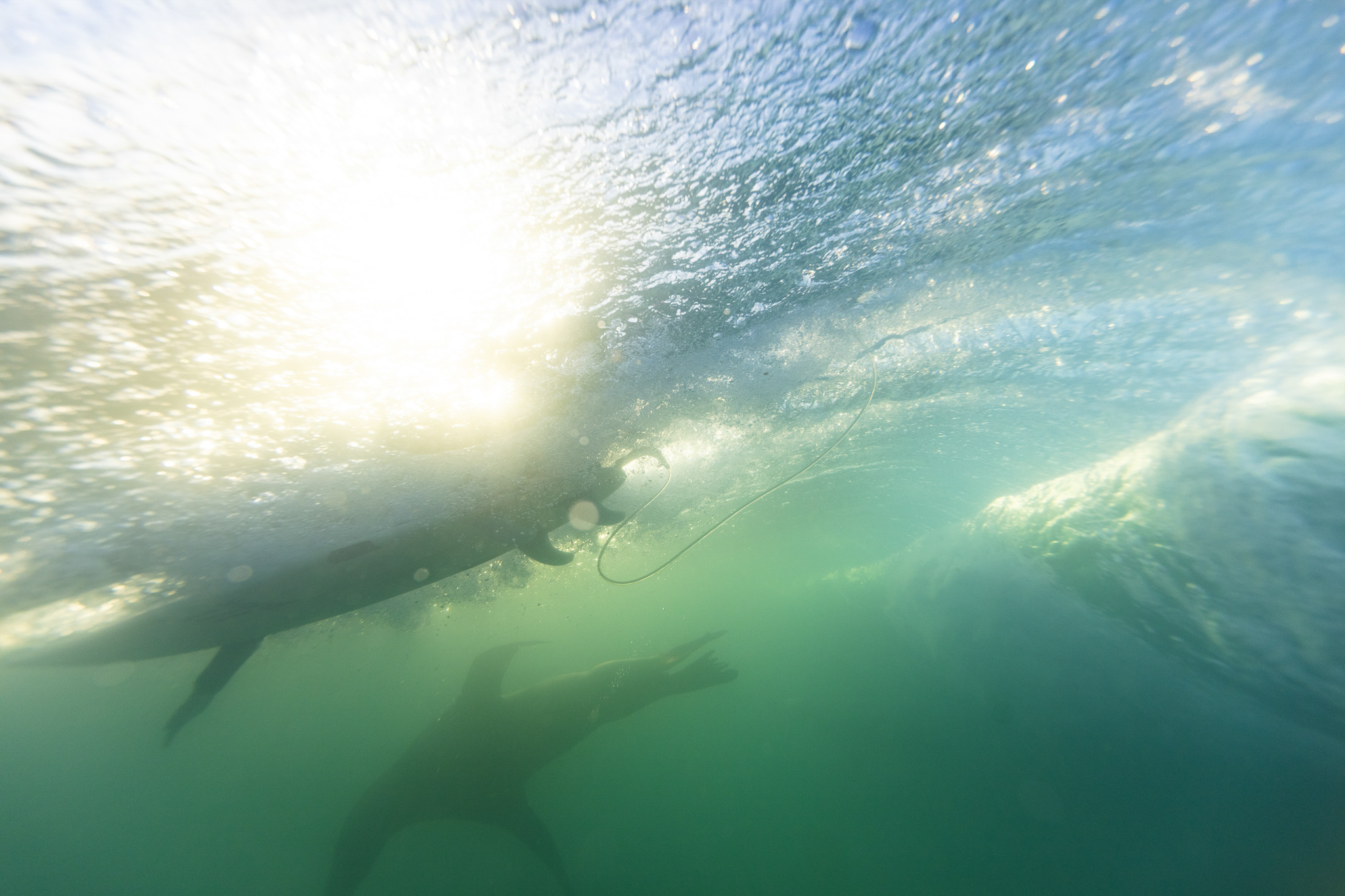
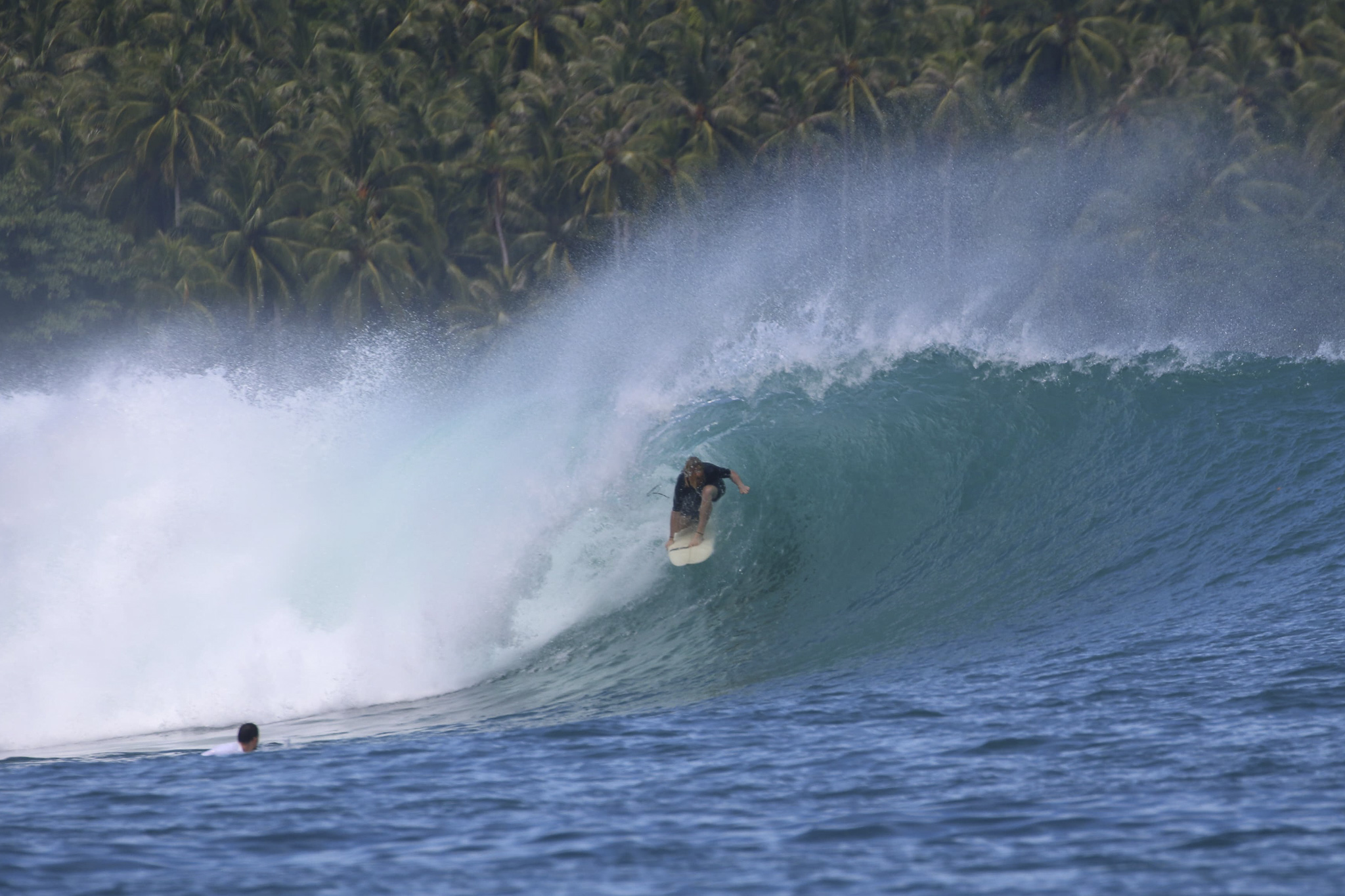
That is where the excitement about marine mammals really took hold. Pakake quickly became very special to me, as they are such highly charismatic animals with unique personalities. As I have learned about them through study, and work, they have provided some amazing experiences outside of work. I have an image burned in my mind from one dawnie a few mates and I shared: sun coming up, my mate getting barrelled, and a sea lion cruising in the wave in front of him.
There’s nothing like a sea lion to keep you humble in the surf as they swim rings around you!
Lots of people talk about how cold Dunedin is and often get freaked out by the wildlife in the water. Clothing and wetsuit technology are pretty epic these days – does it really matter if you get cold for a bit when the surf is pumping? The wildlife can be intimidating, but once you understand that pakake don’t swim around attacking people, and learn how to act around sea lions, it becomes an enjoyable experience. In almost every interaction I have had with pakake in the water, they have been curious and approached to check out what I’m up to, or looking for a playmate. They play in the surf as well so it’s understandable they want to join in. My best advice: be boring, avoid eye contact, give them heaps of space when possible, and you can always sit in a group to try to disperse their interest. Think of them like a dog: if you get excited or worked up, they will, too.
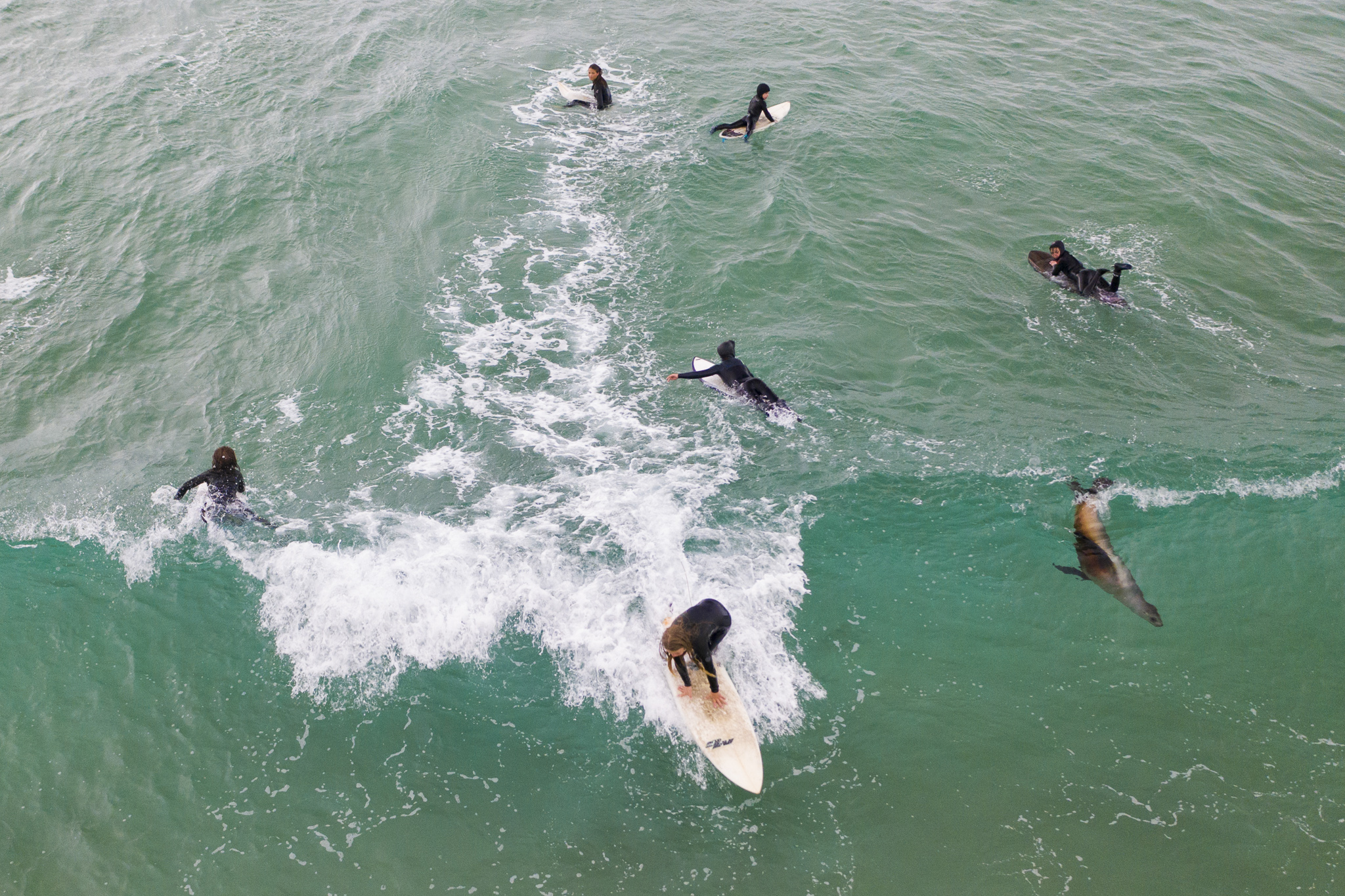
We are super lucky in Dunedin to have a growing population of pakake, which is important for the recovery of the species, which were completely wiped off mainland New Zealand by commercial sealing and subsistence hunting. With just over 30 years of breeding in Otago now, pakake conservation is a massive part of many peoples lives here in Dunedin. It is awesome to see how much people care.
My best advice: be boring, avoid eye contact, give them heaps of space when possible, and you can always sit in a group to try to disperse their interest. Think of them like a dog: if you get excited or worked up, they will, too.
There is still work to do, and as the population continues to grow, both in numbers and breeding range, there will be pakake turning up in new locations, and new challenges to face. Ideally, the species can recover close to what it was historically.
My hope is that we can learn how to live sustainably alongside this awesome species and use Dunedin as an example of how to do it.
Visiting Dunedin To Surf? Here’s Moss’s Top Tips
• Respect the locals (humans and wildlife)
• If you’re on a coastal road, slow down and keep in mind there might be a sea lion on the road at some point. You don’t want to be the person that accidentally hits a sea lion napping on the road by the beach.
• If you see signage about wildlife, please obey it.
• Always give sea lions/pakake 20m of space.
• If they approach you in the surf, be boring and try to ignore them.