
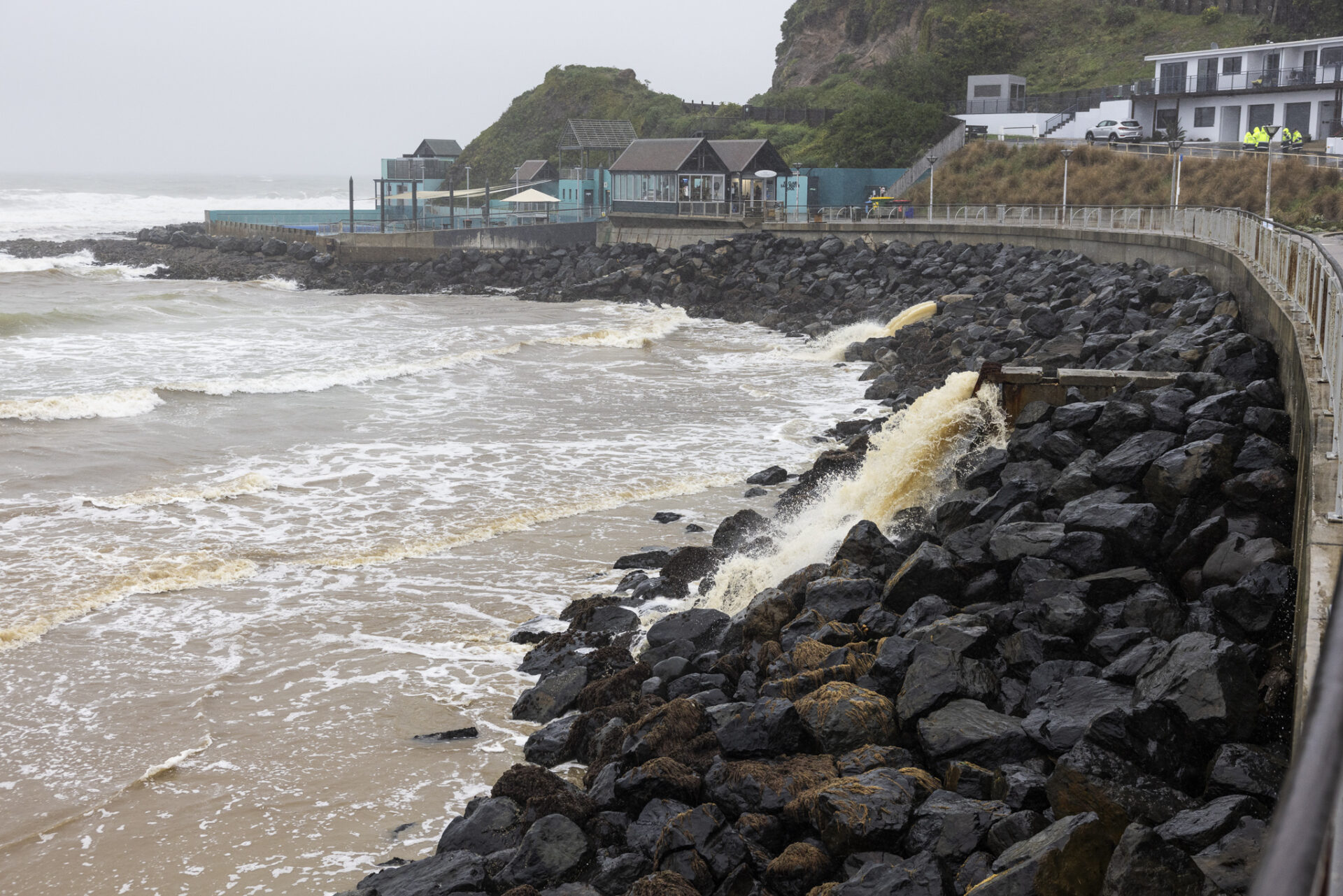
For a city that prides itself on its wildlife and coastlines, why is Dunedin still discharging partially-treated sewage directly into the ocean? The answer to that question is not as straight forward as you may think.
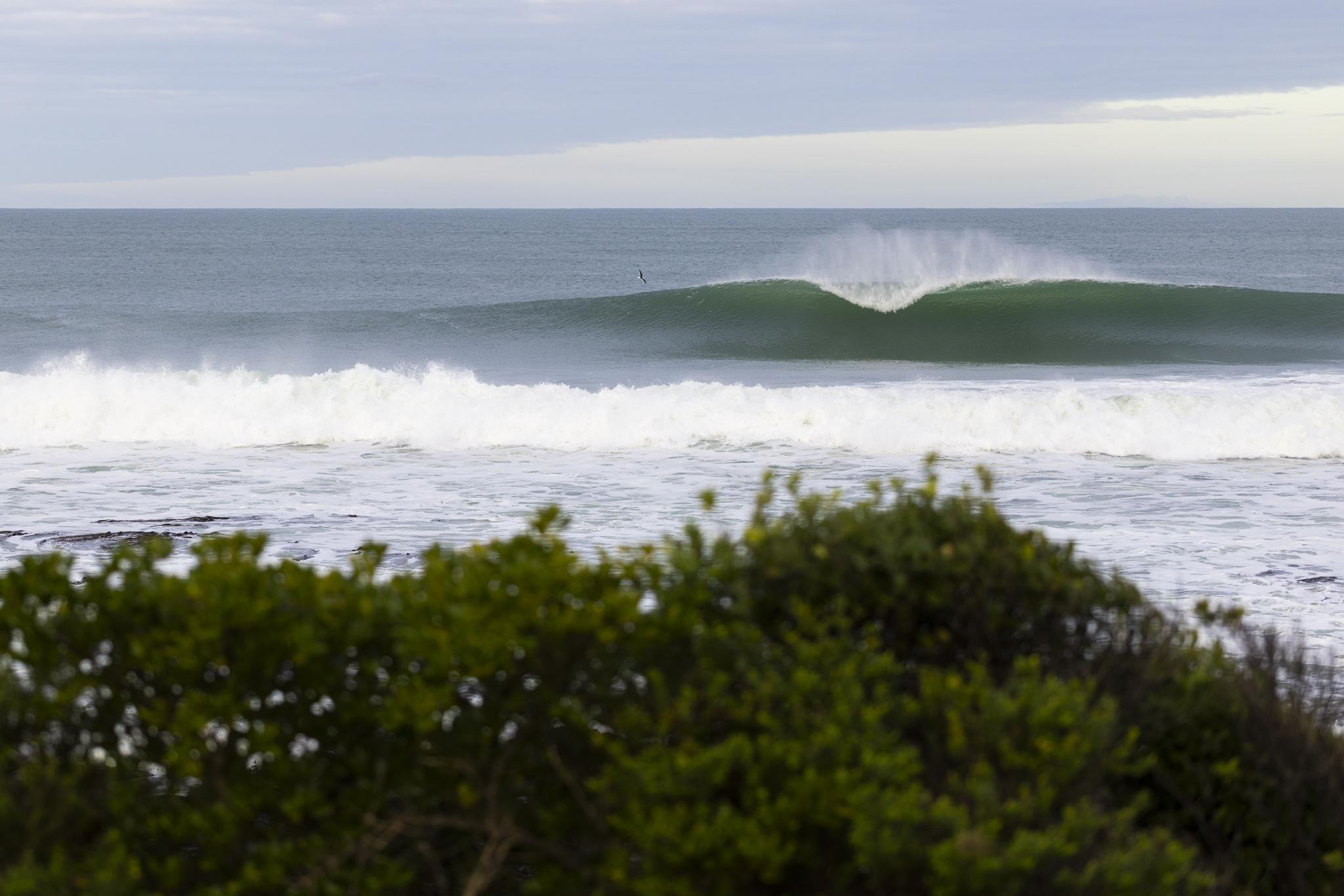
Back in 2018 I wrote a piece for Box of Light that delved into the same issue. I was alarmed to learn that the Dunedin City Council (DCC) had allowed 10,680 cubic metres of stormwater-diluted sewage to flow into the sea at Lawyers Head on February 1, 2018.
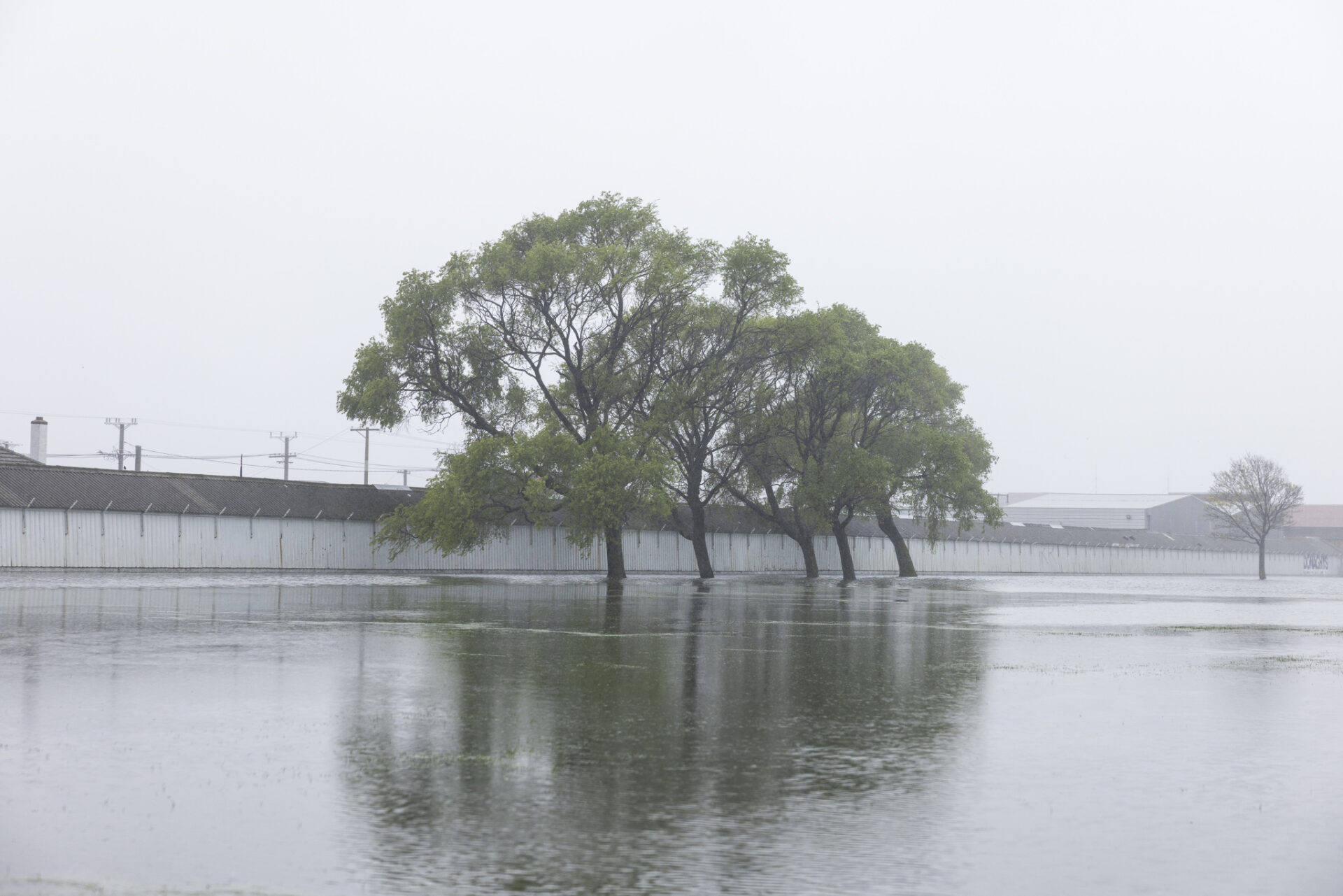
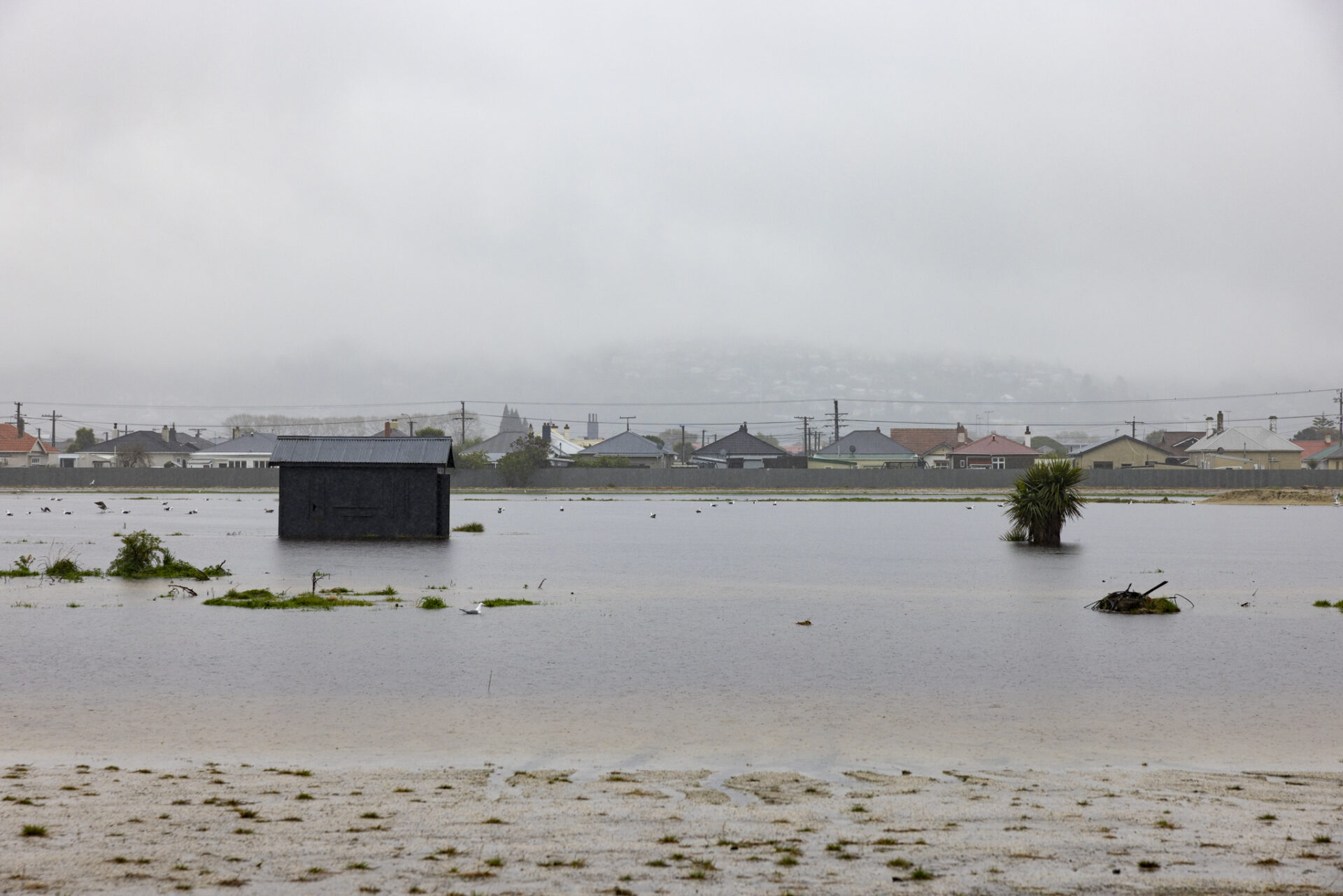
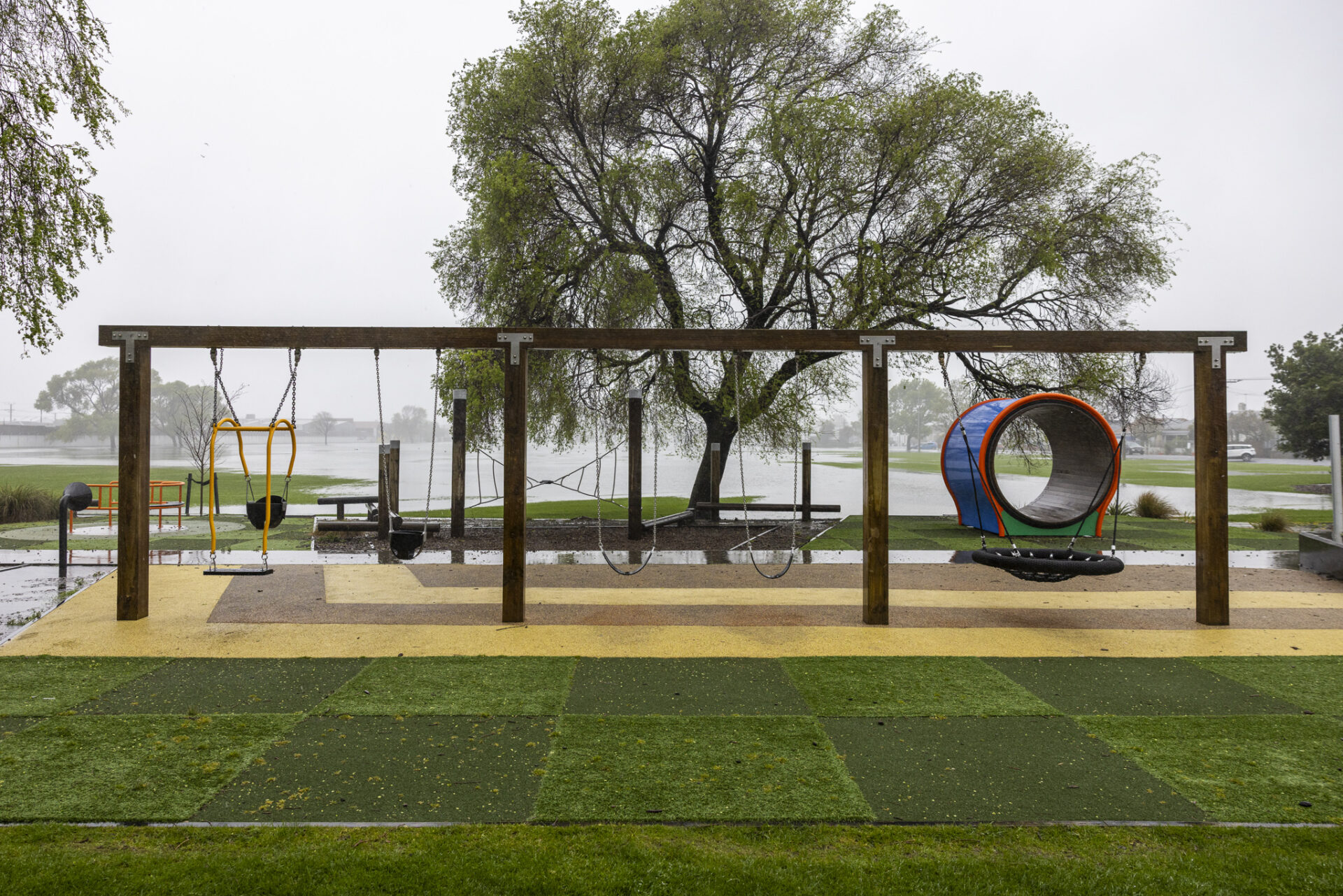
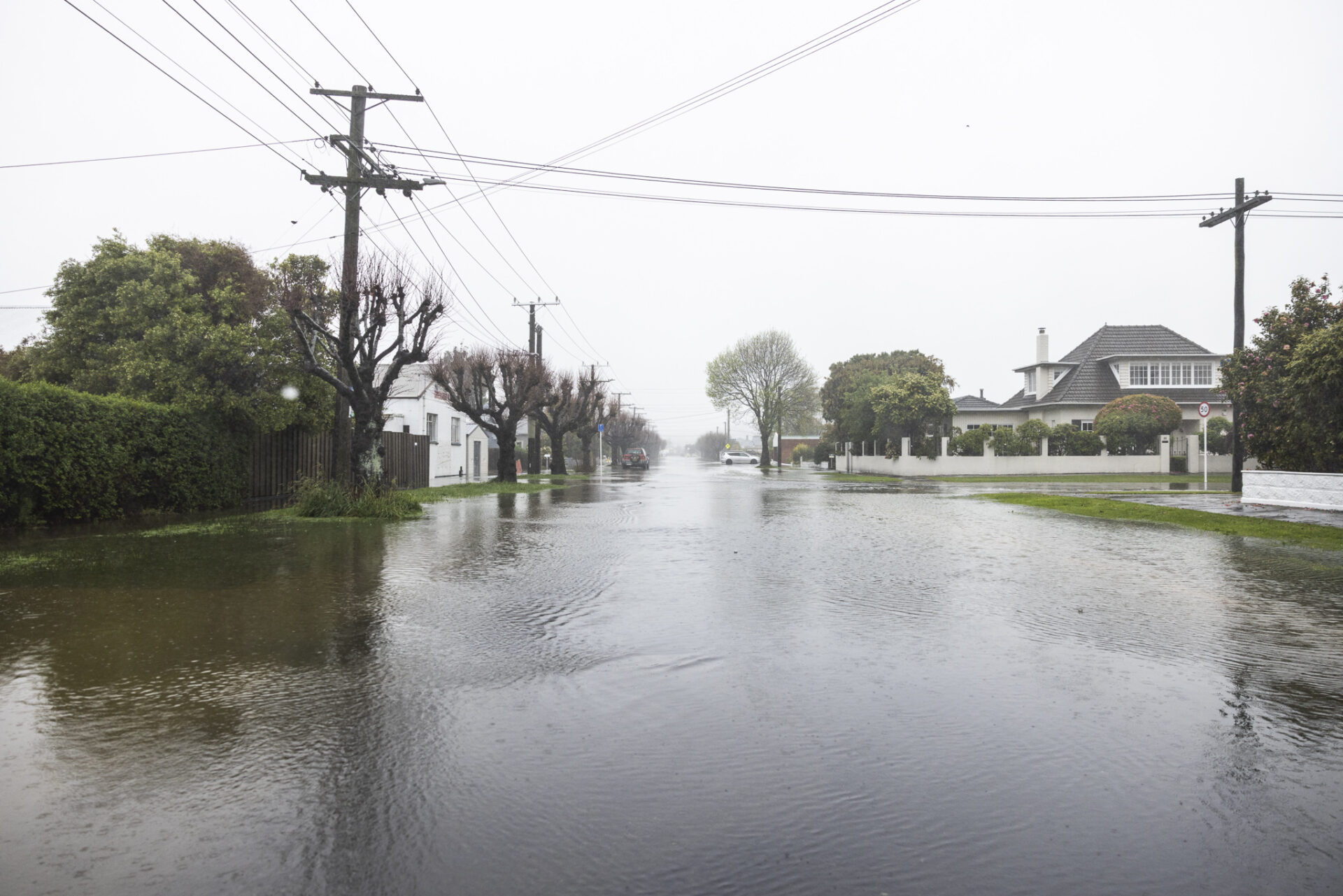
The Mayor at the time, Dave Cull, had declared a state of emergency in Dunedin. MetService recorded 109.6mm of rain in the city on February 1 and that, combined with the back flow from an inundated Kaikorai Valley, meant South Dunedin’s storm water was suddenly laced with untreated sewage.
The city was suffering a “significant flooding” event and infrastructure was bulging at the seams. Old clay wastewater pipes, currently part of a citywide upgrade, were only vaguely water tight, mostly cracked, broken and slumped.
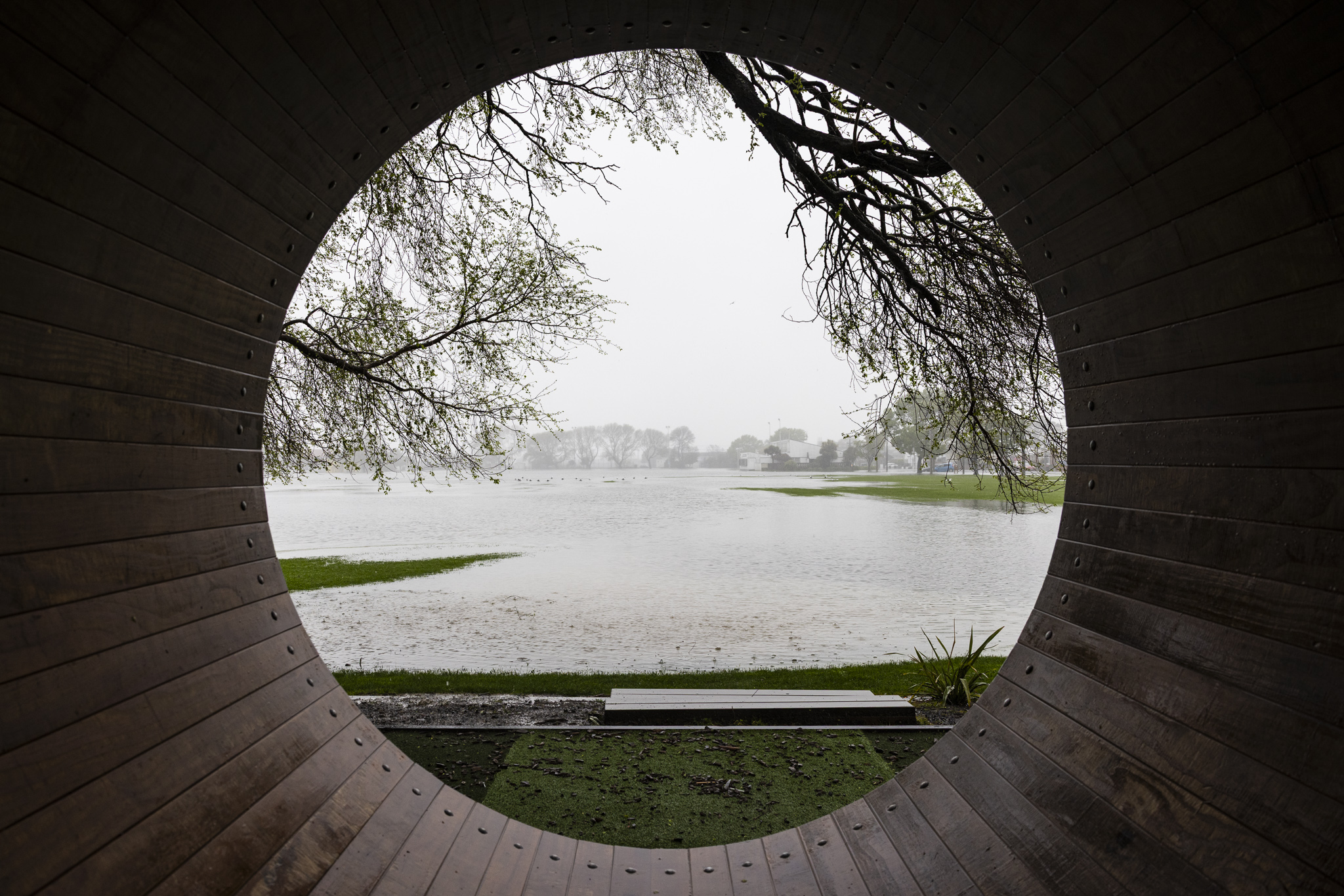
The Tahuna Wastewater Treatment Plant (WWTP), which was upgraded in January 2013 to allow secondary and tertiary treatment processes, delivers its payload 1.1km out into the South Pacific Ocean off St Kilda Beach. Mostly it works for what it was built for. But add in a flood event and the system fails.
“In a perfect world a wastewater treatment plant should not receive any more volume on a rainy day than it would on a dry day,” offered acting plant operations manager Derek Crawford at the time. “But this is not a perfect world. We often get 2-3 times as much as we should and the plant gets overwhelmed with that volume.”
He said the plant received 6-7 times the inflow during that February 1 event.
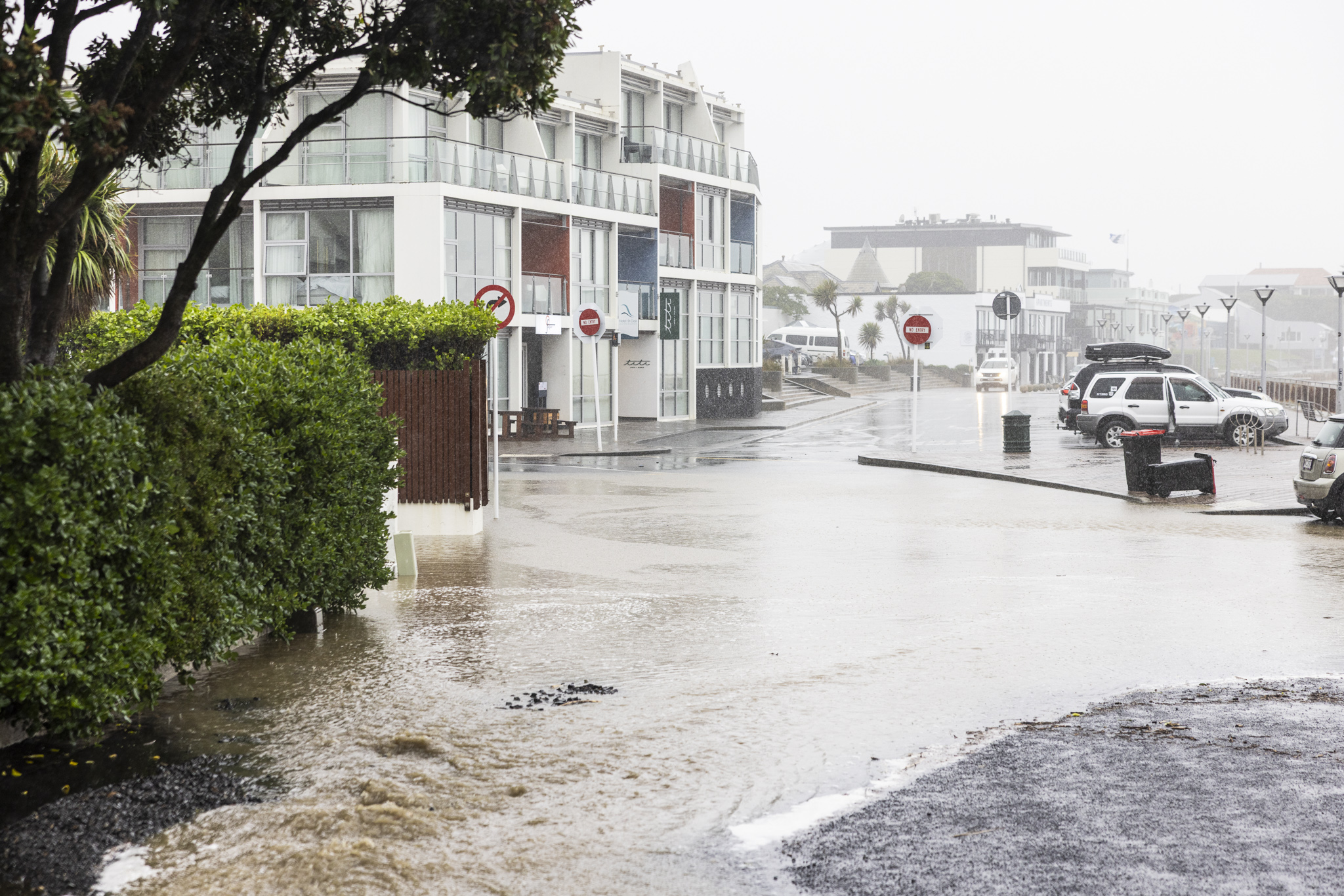
Complicating the issue is the fact that The Tahuna Wastewater Treatment Plant becomes a pressure relief valve when South Dunedin’s lower-lying homes begin to flood with the rising tide. The decision quickly becomes: flood homes, or pollute the ocean. DCC holds a special consent that permits the dumping of sewage into the ocean at Lawyers Head in an emergency.
DCC manages 1232km of pipes in the city network and estimates 40% of them were laid before 1950 with some dating back to the 19th century.
At the time, DCC estimated the cost of preventing overflows to range from $35-$130 million. The city spent $3 million on wastewater network renewals in 2016 and was increasing that to $6 million by 2025 with a forecast spend to 2025 of $48 million.
In 2010 the DCC released the 3 Waters Strategic Direction Statement, which stated that:
“We will resolve all known cross connections between the foul and stormwater networks by 2015, and have an ongoing programme to disconnect the systems as new issues are identified.”
Clearly it was an ambitious timeline.
The DCC was unable to share a volume from our most recent heavy rain event of July 5 and 6, 2026, but indicated the discharges of partially treated wastewater from the Mosgiel and Tahuna Wastewater Plants to have been in effect for more than 20 hours.
DCC did share the February 2026 rain event discharge report from Lawyers Head, which showed an average of 41L/s for approximately five hours, which is 885.6m3 of screened and partially treated dilute wastewater entering the ocean. By extrapolation that would put this most recent event at 4-5 times that volume.
DCC’s Head of 3 Waters, John McAndrew, confirmed that there was an ongoing programme of work to improve the performance of Dunedin’s wastewater system. This included physical improvement works at wastewater treatment plants and wastewater network renewals, which reduced inflow and infiltration into the system.
“The DCC also has an ongoing inflow and infiltration programme to identify and reduce the ingress of stormwater into the wastewater system,” McAndrew said. “Which effects the capacity of the wastewater system in wet weather.”
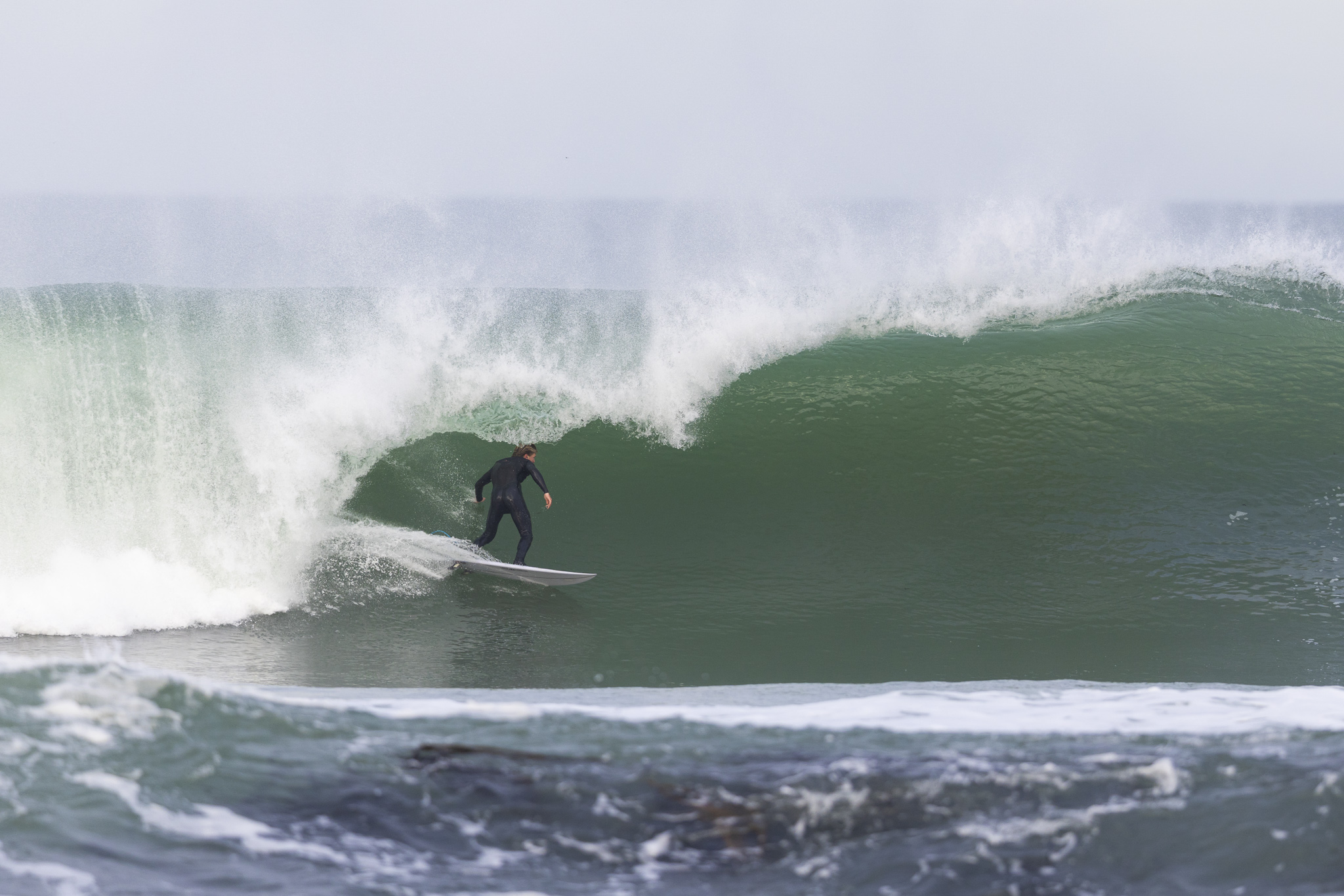
The DCC recently engaged specialist consultants to assess the options for reducing, or eliminating wastewater system overflows to the environment across the city.
“The purpose of the study was to identify the medium-to-long-term plan for management of wet weather overflows across the city,” McAndrew explains. “The assessment considered a range of potential infrastructure interventions. The outputs of the assessment will be considered in the DCC’s Water Services Strategy, which, from 1 July 2027, will replace the Long-Term Plan for the DCC’s three waters services.”
McAndrew said the city had approximately $60 million in the current long-term plan (LTP) for wet weather overflow reduction. The nature of this was detailed in the 9-Year Plan 2025 and the Integrated System Plan – Planning for the Next 50 Years – Dunedin City Council, which identified wet-weather capacity as one of the key challenges for 3 Waters infrastructure in Dunedin.
“Along with the $60 million we have some other significant projects in the current LTP that will make a material difference in reducing the frequency, duration and volume of overflows in wet weather events across the city – but I expect that eliminating overflows in ‘all’ weather events would take a number of decades and significant additional investment,” McAndrew admits.
The next Long Term Plan and water Services Strategy are required to be adopted by 1 July 2027 and will replace the current 9 Year Plan (this is a statutory requirement under Local Government Act and now Local Government Water Services Act for the water component).
“This will be an opportunity for Council to consider the level of investment in this space,” McAndrew adds. “These documents need to be adopted by Council and are subject to public consultation which will occur through first half of 2027. So there would be an opportunity for any interested parties to submit on the plans through the consultation process (as there is every year through the annual plan and long term planning process).”
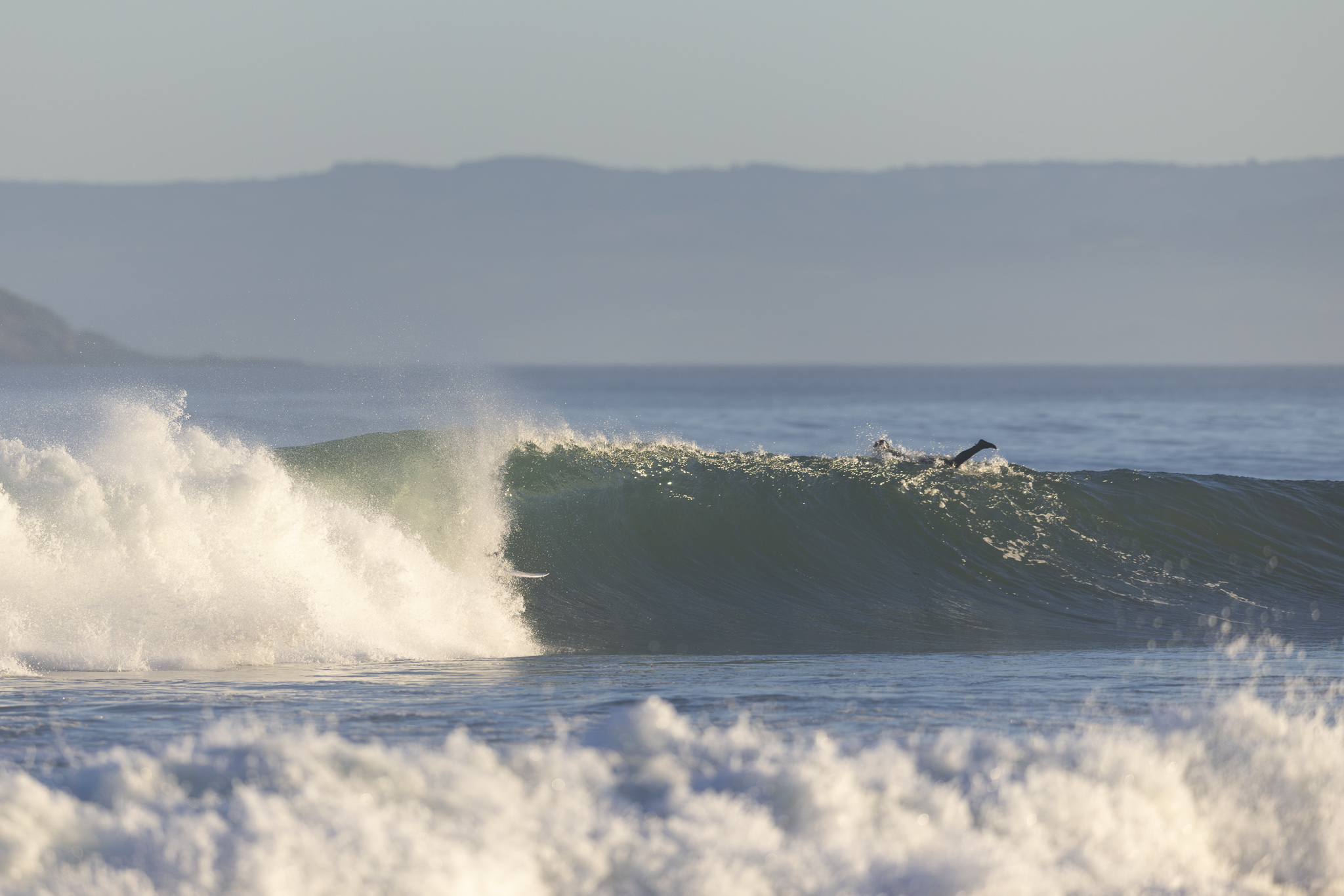
When questioned about the fact that the Lawyers Head outlet is effectively discharging partially treated sewage into a marine reserve now, McAndrew explained that the rules for the new marine reserve recognised wet weather discharges occurred, and made provision for them.
The DCC provides regular updates to beach communities throughout any significant weather events – including discharges and water quality testing – although it takes 48 hours for each test result.
“The DCC initiates water quality testing as soon as practicable following an unplanned discharge event, including consideration of safety for samplers,” McAndrew shares. “However, the microbiological tests undertaken take 24 hours to process. We share these results with stakeholders as soon as they are available.”
“The DCC’s trigger for issuing a public health advisory is based on national guidelines for recreational water quality and is activated when two consecutive monitoring results exceed the trigger level set out in the guidelines. However, when we do have unplanned discharges we notify stakeholders ahead of receipt of monitoring data and recommend avoiding contact with the water for 2-3 days”
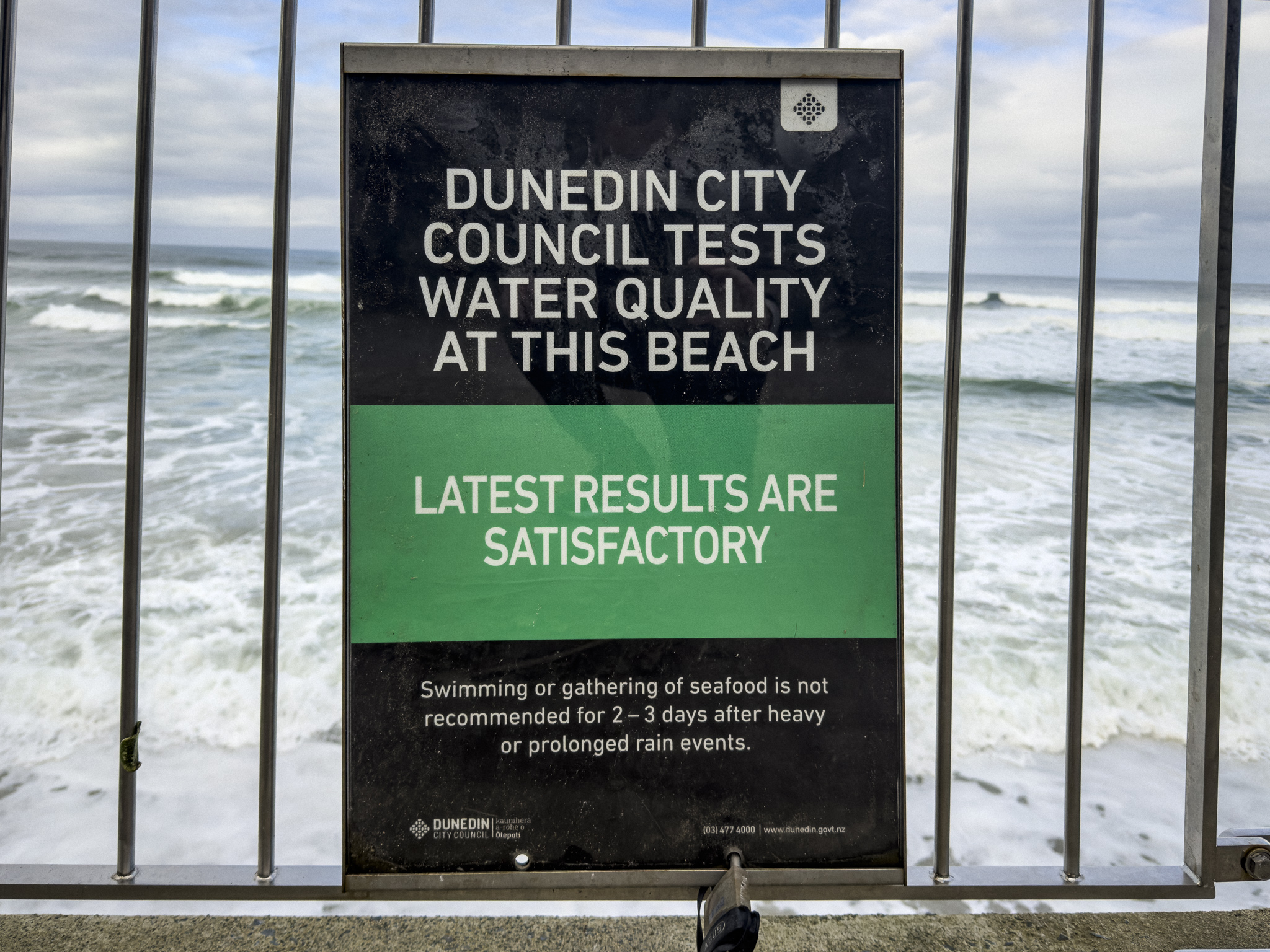
They also place signage at key entry points to beaches.
“DCC signage at beaches also recommends avoiding contact with water for 2-3 days following heavy rain, and note that this recommendation stands regardless of whether there have been any unplanned discharges, as water quality is known to deteriorate for a range of reasons during rain events,” McAndrew explains. “In the case of the unplanned discharges [at the start of July], the first samples were taken on Monday 6 July and, as a precaution, the DCC re-iterated the message to avoid contact with water as part of weather event-related public comms issued on 6 July 2026. This preceded receipt of beach water quality data by the DCC.”
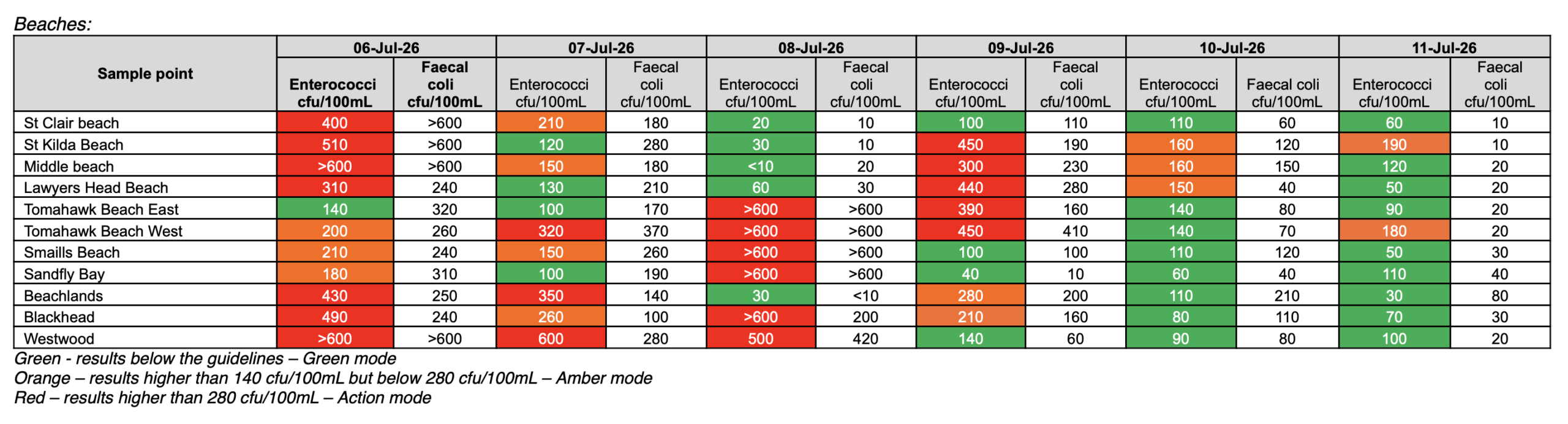
The beaches that are tested include: St Clair, St Kilda, Middle Beach, Lawyers Head Beach, Tomahawk Beach East, Tomahawk Beach West, Smaills Beach, Sandfly Bay, Beachlands, Blackhead and Westwood. No testing is done at Brighton, or the stretch of wave-rich coastline between Brighton and Taieri Mouth. That’s significant because the discharge from the Mosgiel Wastewater Treatment Plant is to the Silverstream which joins the Taieri River.
“The Mosgiel WWTP discharges to Silverstream in larger weather events, when the capacity of the Mosgiel WWTP to process and to convey wastewater flows to the Green Island WWTP is exceeded,” McAndrew explains. “The Silverstream flows to the Taieri River and, ultimately, out to sea at Taieri Mouth. The monitoring locations DCC uses for beach water quality monitoring focus on locations where regular beach water quality monitoring is required by the conditions of Tahuna WWTP and Green Island WWTP discharge consents.”
The Tahuna WWTP discharge consent was issued in 2004. The Green Island WWTP discharge consent was first issued in 1998 and reissued with variations in 1999 and 2012. Both discharge consents expire in 2032.
I ask McAndrew if DCC has considered reviewing those consents, considering the flow from Taieri River and in the context of increased populations within the northern drift of the plume from Taieri Mouth. And with at least 12 quality surf breaks located between Taieri Mouth and Brighton itself drawing more and more surfers for recreation in these areas.
“Last year, the Water Services (Wastewater Environmental Performance Standards) Regulations 2025 came into existence,” he tells me. “The new regulations include a discharge to water standard and this will apply when the DCC applies for new discharge consents for the Tahuna WWTP and the Green Island WWTP to replace the consents that are due to expire in 2032.”
The new regulations include a standard for management of overflows and bypasses. This standard, which comes into effect in December 2028, provides a pathway for consenting wastewater network overflows and discharges from WWTPs where flows have bypassed the full treatment process prior to discharge.
“Any DCC application for a consent under this standard, which could cover discharges from Tahuna WWTP via Lawyers Head and from Mosgiel WWTP to the Silverstream, would need to include a comprehensive discharge risk assessment,” McAndrew shares. “The DCC would consider appropriate responses (including monitoring of water quality in the receiving environment) through the consent application process and associated risk assessment.”
McAndrew said they did review their approach to wet weather responses, including following events such as the weather event earlier this month. They included additional sampling where they believed it is reasonably required relating to any discharges that might occur from city infrastructure.
“I note that there are numerous potential ocean contamination sources during a rain event other than wastewater bypass or overflow,” McAndrew explains. “And this is why we recommend staying out of the water for 2-3 days following heavy rain.”
These intense rainfall events are becoming more frequent and it is clear the scale of the issue that persists in Dunedin’s pipe infrastructure is not going to be fixed in a hurry. That’s a tough pill to swallow for surfers in Dunedin. Staying out of the water 2-5 days at a time, and through several rain events each year, deals a big blow to the mental health and physical well-being of our surfing population.